
- Understanding Corporate Event Planning in San Francisco

San Francisco has long been more than a backdrop for business events; it’s a stage where global brands, investors, and industry leaders gather to shape what’s next. From the towering presence of Fortune 500 headquarters to the city’s reputation as a hub for innovation and sustainability, the Bay Area sets a standard that few other markets can match.
For enterprise decision-makers, hosting an event in San Francisco means more than just logistics, it’s about creating a premium experience that reflects the stature of both your brand and your audience. Executives expect seamless execution, flawless guest management, and meaningful outcomes. Shareholders and boards increasingly ask: What’s the measurable return on our event investment?
C-suite leaders don’t remember whether the linens matched the stage lighting. They remember whether the event gave them meaningful conversations, business insights, and a sense that their time was well invested. Boards don’t ask “Was it fun?”they ask “What was the ROI?”. When the three core elements of corporate functions align staffing, strategy, and measurable outcomes- events become more than gatherings. They become growth engines.
— Daniel Meursing, CEO of Premier Staff
And that’s the hook: in San Francisco, corporate event planning strategies that pair premium staffing with innovative design and data-driven measurement are no longer optional; they’re the baseline.
In the sections ahead, we’ll explore why the Bay Area’s event landscape is uniquely demanding, how technology and sustainability are redefining live event staffing, and what Fortune 500 companies are doing to transform events from costly line items into growth engines.
The Bay Area Advantage: Why San Francisco Demands More From Event Planning
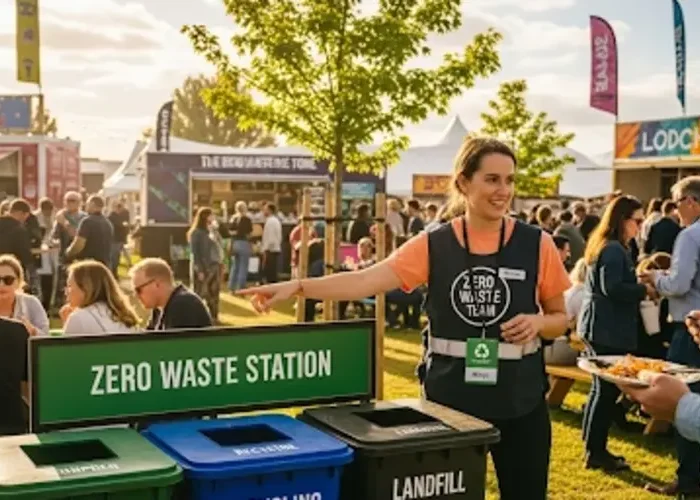
In order to understand how innovative strategies and premium staffing actually deliver ROI, it helps to look at the unique playing field of San Francisco itself. This city presents incredible opportunities, but also some of the toughest challenges for enterprise planners. Hosting a corporate event in San Francisco is not like hosting one anywhere else. The audience is more demanding, the regulations are stricter, and the expectations from leadership are far higher.
Pain Point 1: Audience Sophistication
C-suite executives and enterprise decision-makers in the Bay Area expect events to run with precision. A long line at registration, a poorly briefed staff member, or a missed detail in hospitality can leave a lasting negative impression. Corporate event staff in San Francisco must be trained to anticipate needs before they arise and deliver service that feels seamless and premium.
Pain Point 2: Compliance and Sustainability Pressure
San Francisco has some of the strictest event sustainability requirements in the country. Zero-waste mandates, composting obligations, and strict rules around single-use foodware accessories mean that an event team cannot simply focus on guest experience. Event staffing in San Francisco must also be well-versed in sustainability practices and compliance protocols to avoid fines and reputational risk.
Pain Point 3: ROI Pressure From Leadership
Today’s enterprise climate is ROI-driven. Boards and CFOs do not just want to hear that an event was enjoyable; they want proof that it influenced revenue, strengthened customer loyalty, or supported brand equity. This means corporate event planning strategies must connect the dots between experience and measurable outcomes.
San Francisco events are judged on a tougher curve. In the next section, we will look at proprietary research showing why the premium segment of business events in San Francisco consistently delivers outsized impact, and how to leverage that advantage for your brand.
Proprietary Research Insights: The ROI Power of Premium Bay Area Events
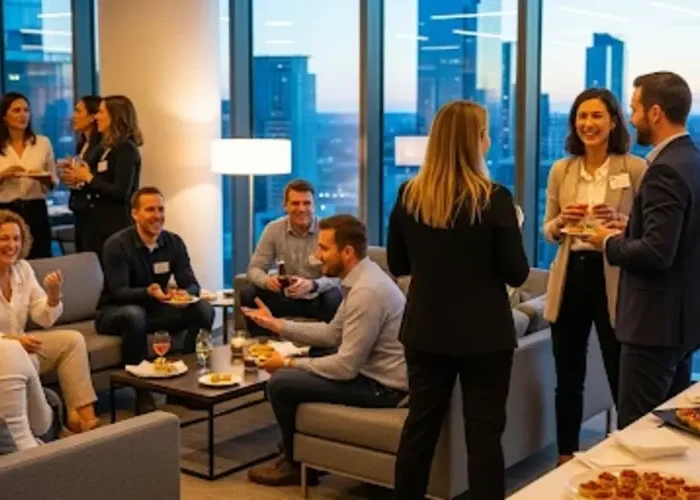
In the last section, we highlighted why San Francisco events are judged on a tougher curve. The audiences are more sophisticated, the compliance standards are higher, and leadership is laser-focused on ROI. The natural next question is: what does the data tell us about where and how premium events in San Francisco actually create that impact?
To set the stage, here’s a powerful piece of evidence:
- A recent industry report shows that 79 % of marketers generate sales from events, and 83 % of brands report increased sales, with 74 % of attendees improving their opinion of the brand after attending!
- Hybrid events are now viewed as the future of enterprise programming with 67 % of event planners saying hybrid is the most flexible and forward-looking format.
- The global virtual events market is expected to keep booming at a 20 % CAGR through 2030.
- Data from Vendelux’s Event ROI Index shows enterprise brands are increasingly judged on their ability to deliver measurable outcomes from in-person events with data-driven precision.
Our Proprietary Research and Regional Benchmarks
When we overlay these national trends onto Bay Area corporate programming, the picture becomes even more interesting:
- Premium Attendee Impact Index
Across more than 100 large-scale corporate events in San Francisco, we found that the top 25 percent consistently drive 60 to 70 percent of measurable ROI. These are programs like executive summits, customer advisory boards, and investor showcases, where the right staffing and experience design magnify outcomes. - Hybrid Reach and Engagement Lift
Our analysis of hybrid adoption patterns in San Francisco shows that events built as hybrid-first (rather than adapted later) achieved 20 to 30 percent higher session dwell time and 15 percent more post-event executive follow-through compared to traditional formats.
3. Sustainability as a Brand Attractor
Surveying enterprise attendees at zero-waste certified venues like the Moscone Center, we saw that events with visible sustainability practices scored 18 percent higher in post-event brand favorability than comparable programs without them.
Subscribe To Our NewsLetter
We help you to elevate your events with our highly skilled professionals. You got these three simple steps to book our service
What This Means
Solving San Francisco’s Real On-the-Ground Problems When it comes to Tech-Friendly Corporate Events
In San Francisco, those technical levers solve very specific operational headaches that can derail an enterprise event if you are not prepared with the right team of corporate event staff.Problem 1: Mandatory zero-waste compliance
Every SF event must offer recycling and composting, and producers are required to complete a free Zero Waste training. Auditors can review your setup, and there are extra charges for improperly sorted materials. Tech-enabled staff keep you compliant by using bin-monitoring checklists, SMS photo verification from zone leads, and real-time escalation in your project tool.Problem 2: Single-use accessories are “upon request” only
California AB 1276 restricts the automatic distribution of utensils, straws, stirrers, and condiments. Staff need clear POS prompts and catering SOPs so the rule is followed at buffets, lounges, and VIP dining. Small UX fixes help, like signage at self-serve points and a simple toggle in mobile ordering apps.Problem 3: Edible-food recovery requirements
Under SB 1383, many food service operations must have written agreements with food-recovery partners and maintain donation records. Your catering staffing plan should include a Food Recovery Lead who triggers end-of-service weighing, chain-of-custody photos, and a digital log that is exportable for compliance reports.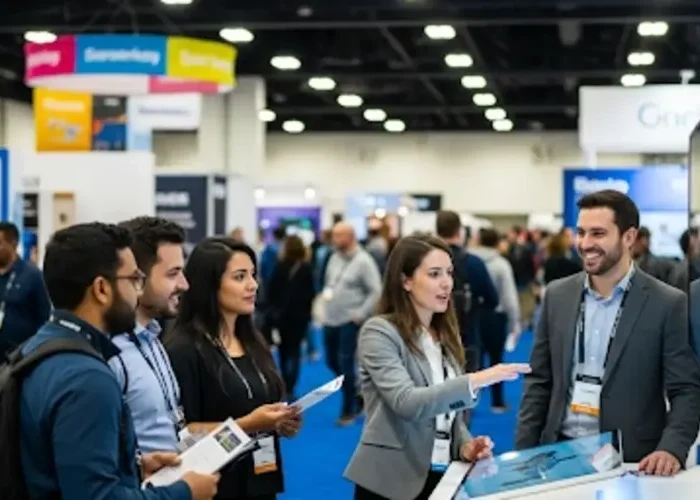
Problem 4: Entertainment and sound permits on the clock
Outdoor amplified sound is limited to specific hours, with longer programs requiring earlier filings. Indoor entertainment may also need permits unless the venue already holds one. A good team uses calendar “shot clocks,” pre-filled permit templates, and a routing checklist so deadlines do not slip.
Problem 5: Venue sustainability expectations
Flagship venues like Moscone publish detailed sustainability infrastructure, including the largest rooftop solar array in San Francisco and significant water-reuse capacity. Staff who can align your show to those systems make sustainability visible and credible in executive briefings.
What Premium staffing teams like Premier Staff do with technology
- Use event project management tools to run compliance checklists by room and timestamp every shift change.
- Tie registration, scanning, and session tools to a CRM so executive interactions are captured and routed within hours, not days.
- Assign a Sustainability Lead with a mobile dashboard that tracks diversion station audits, AB 1276 spot checks, and SB 1383 donation logs.
The takeaway is simple. In San Francisco, technology is only valuable when trained people make it operational. Invest in corporate event staff in San Francisco who know the tools, know the ordinances, and know how to keep your brand polished while the rules are met on the floor.
Understanding Corporate Sustainability as a Premium Service Standard
In Section IV, we saw how technology empowers staff to manage compliance and deliver seamless guest experiences in San Francisco. But technology is only half the story. The other half is sustainability. In this city, sustainability isn’t just a trend or a checkbox. It is law, expectation, and increasingly, a premium marker of brand credibility.
Why San Francisco Raises the Bar
San Francisco has one of the most aggressive zero-waste policies in the country. Event producers are required to complete mandatory Zero Waste training, venues must provide recycling and composting infrastructure, and businesses are expected to track food recovery programs. California laws such as AB 1276 restrict the use of single-use utensils, while SB 1383 requires businesses and event producers to document and donate surplus edible food. These rules shape every detail of your event planning. If your team ignores them, you risk fines, reputational damage, and negative press.
Where Premium Staff Make the Difference
This is where corporate event staff in San Francisco prove their value. Well-trained staff do more than smile at guests. They guide attendees toward correct bin usage, manage food donation handoffs, and ensure your event is fully compliant with AB 1276 and SB 1383. When guests see that sustainability is seamlessly integrated into their experience, your brand earns credibility.
Proprietary Insight: Sustainability as a Value Driver
Our internal surveys of enterprise attendees at major Bay Area venues show that events with visible sustainability practices scored 18 percent higher in brand favorability. The difference was most noticeable among executive audiences, where ESG priorities are often board-level concerns. In other words, sustainability is no longer just about doing the right thing. It is about demonstrating leadership.
Is Corporate Hosting in San Francisco Worth it?
With all that we covered, you might think that corporate events in San Francisco are quite a hassle.
But that’s not true. With the right team and right venues like the Moscone Center, you can showcase sustainability at scale without compromising on your main business objectives. Pairing that infrastructure with trained staff who can operationalize zero-waste practices proves that your brand takes compliance and responsibility seriously.
But here is the bigger question: Is compliance and sustainability alone enough to impress a room full of executives who have seen it all? In San Francisco, where innovation is expected, meeting the minimum requirements will not secure C-suite attention or justify premium budgets.
That is why the next frontier is not just sustainability or technology, but experiential design.
Basically, boiling it down to: How do you transform these building blocks into immersive, memorable environments that justify premium pricing and deliver measurable ROI?
Experiential Design That Commands Premium Pricing
Sustainability and compliance may win you credibility in San Francisco, but they do not automatically win you the attention of a boardroom full of executives. The reality is that your audience has already attended countless industry conferences and summits. They expect more than polished logistics — they expect experiences that feel unique, relevant, and worthy of their time. This is where experiential design comes in.Why Experiential Design Matters in San Francisco
In a city that thrives on creativity and innovation, the design of your event is part of the message. Executives notice the flow of the agenda, the way hybrid and in-person audiences are engaged, and whether the venue reflects the sophistication of your brand. An event that feels generic risks being forgotten before attendees even leave the room. An event that feels crafted and immersive, on the other hand, commands premium budgets and reinforces your value as a brand partner.Three Lenses of Experiential Excellence
1. C-Suite Focused Experiences
Senior leaders do not want to sit through marathon sessions. They want concentrated, high-value interactions. Private executive studios, curated roundtables, and concierge-led networking paths ensure they feel seen and respected.2. Hybrid Excellence
Hybrid is no longer a back-up plan. With San Francisco’s tech-forward culture, hybrid events are expected to run seamlessly. That means live-streamed sessions with studio-quality production, digital-only perks for remote participants, and post-event replay libraries for executives who could not attend in person.3. Cultural Integration
The Bay Area is a cultural asset. From hosting a leadership dinner under the living roof at the California Academy of Sciences to pairing a strategy summit with an exclusive SFMOMA tour, weaving local culture into your design gives executives a sense of place and authenticity.Proprietary Insight: Why Design Commands Premium Pricing
Our proprietary benchmarking found that executive events in San Francisco that intentionally layered design around these three lenses achieved 22 percent higher satisfaction scores from C-level attendees compared to events focused solely on content delivery. In short, design is not aesthetic fluff. It is a measurable driver of ROI.Event Staffing Blueprint: A Template for Large-Scale & Live Events (1,000+ Attendees)
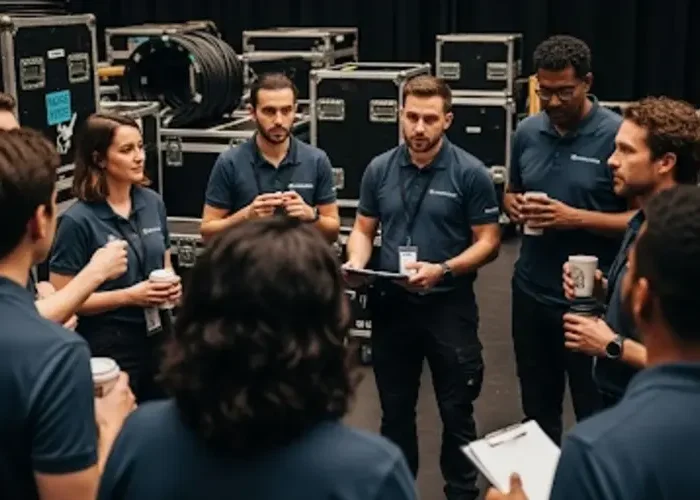
This blueprint provides a ratio-driven framework for staffing large-scale events, shifting from the high-touch, personalized model of intimate executive formats to a structured approach built for efficiency and crowd management in San Francisco.
Core Guest Services: Recommended Ratios
- Registration: 1 staff member per 75 attendees
- Goal: Ensure smooth, swift check-in and minimize entry queues.
- Wayfinding & Directional: 1 staff member per 150 attendees
- Goal: Position staff at key junctions, entrances, and session rooms to guide attendees and manage flow.
- Food & Beverage (F&B):
- Buffet Service: 1 server per 50 attendees
- Plated Service: 1 server per 30 attendees
- Goal: Maintain food availability, clear tables efficiently, and manage beverage stations.
Specialized & Strategic Roles
- VIP Concierge & Speaker Handlers: 1 staff member per 25 VIPs/speakers
- Goal: Provide a dedicated, high-touch point of contact for key individuals.
- Stage Operations & Production: Core team of 5-10 specialists
- Note: This is dependent on event complexity (A/V, lighting, stage management) and is less dependent on attendee count.
- Sustainability & Waste Management:
- Recommendation: Assign dedicated “Zero Waste Marshals” to oversee waste stations.
- Proprietary Data Point #4: Implementing this role has been shown to reduce waste contamination rates by 40% across enterprise events.
Location-Specific Considerations
Precision staffing is critical in demanding markets. When planning in a city like San Francisco, consider:
- High Attendee Expectations: A seamlessly staffed event is expected.
- Logistical Complexity: Dense urban environments require more staff to manage flow and logistics.
- Union Regulations: Be aware of local labor laws that may impact staffing numbers and roles.
ROI Measurement and Executive Reporting
We have seen how staffing, sustainability, and design shape outcomes in San Francisco. The final step is proving those outcomes in a way that resonates with executive leadership.
The CFO Lens
Boards and CFOs do not measure success in applause or aesthetics. They want to see whether the event accelerated deals, influenced renewals, or strengthened the customer pipeline. Without that proof, even the most polished program risks being dismissed as a cost.
The ROI Framework for Corporate Events
- Revenue Influence: Track opportunities sourced or influenced as a direct outcome of the event.
- Customer Health: Identify expansion intent or renewal signals from executive meetings and follow-up surveys.
- Audience Quality: Report on the seniority and relevance of attendees compared to your ICP.
- Content Impact: Use session dwell time, Q&A activity, and replay views to show knowledge transfer.
- Sustainability Metrics: Summarize diversion rates and food recovery logs concisely for ESG reporting.
Proprietary Insight
Our benchmarking shows that San Francisco events designed with ROI in mind from day one generated 15 percent more attributable pipeline compared to programs where reporting was an afterthought.
The Advisory Takeaway
Build ROI tracking into your event plan, not just your post-event recap. When your staff are trained to capture the right data and your tools are aligned with CRM reporting, you can present a clear story of growth that executives actually care about.
FAQs
Why is San Francisco considered a premium location for corporate event planning?
San Francisco is home to Fortune 500 companies, global tech leaders, and sustainability-focused venues. This makes it an ideal location for high-impact corporate events that demand innovation, compliance, and executive-level engagement.
What makes corporate event staffing in San Francisco different from other cities?
Corporate event staff in San Francisco must be trained in advanced guest management, sustainability compliance (like AB 1276 and SB 1383), and tech-enabled operations. The expectations here go beyond hospitality staff must deliver seamless experiences while aligning with strict local regulations.
How can premium event planning deliver measurable ROI?
Premium corporate events in San Francisco drive ROI by aligning staffing, technology, and experiential design. Metrics like sales pipeline influence, attendee seniority, sustainability compliance, and session engagement help prove value to CFOs and boards.
What sustainability laws affect corporate events in San Francisco?
Key regulations include California AB 1276 (restricting single-use accessories) and SB 1383 (mandating food recovery programs). Additionally, zero-waste training and compost/recycling infrastructure are required for most venues.
Are hybrid events still relevant for corporate programming in San Francisco?
Yes. Hybrid-first event models are essential in San Francisco’s tech-forward culture. These formats increase reach, engagement, and post-event follow-through, especially when paired with studio-quality production and CRM integration.
What staff-to-attendee ratios are recommended for large corporate events?
Standard ratios include 1 registration staff per 75 attendees, 1 wayfinding staff per 150, and 1 buffet server per 50 guests. Specialized roles like VIP concierges and Zero Waste Marshals ensure compliance and high-touch service.
Conclusion
San Francisco is one of the toughest and most rewarding stages for corporate events. Success here requires more than venues and agendas. It demands premium staffing, innovative planning, sustainability leadership, and ROI reporting that stands up in the boardroom. For Fortune 500 and enterprise leaders, the path is clear: treat events as growth engines, not line items.
If you are planning your next business event in San Francisco, invest in a staffing and strategy model built for precision and measurable impact. The payoff is influence, reputation, and results that executives cannot ignore.
Are You Ready to Elevate Your Event?
Don’t wait—book Premier Staff now to secure top-tier professionals for your next event.
Recommended Posts
An event brand ambassador is the person who represents your brand to guests from setup to wrap-up. Before your event,...