- Is Your Event Understaffed on Crowd Control? Here’s How to Tell

Executive Summary
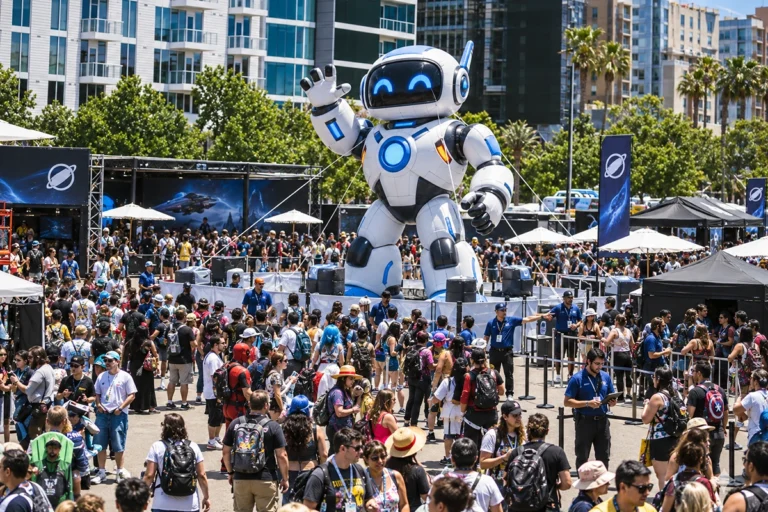
Crowd control staffing, A lot of events assume their venue’s default crowd ratio is automatically safe. It usually is not. Weak crowd control staffing creates bottlenecks, unsafe exits, bar congestion, delayed emergency response, and major liability exposure long before a situation becomes visibly dangerous. Strong crowd management event planning is not about placing random guards around a venue. It is about staffing density, movement forecasting, transition control, and zone coverage.
This guide breaks down the actual crowd control ratio different events need, where crowd teams should be positioned, and how to tell when your event is dangerously understaffed before guests even arrive.
Understaffed crowd control isn’t a visibility issue; it’s a hidden operational and legal risk that compounds before guests notice. High-performing events don’t rely on default ratios; they engineer staffing around movement density, pressure zones, and real-time flow. If your plan isn’t built on how crowds actually move, you’re already operating in a risk zone.
— Daniel Meursing, CEO of Premier Staff
A lot of venues crowd control staffing still operate using outdated assumptions.
The common “1 guard per 500 guests” number is often just a venue default.
Not a real safety standard.
Professional crowd control staffing depends on:
- alcohol presence
- indoor vs outdoor layout
- entry bottlenecks
- VIP transitions
- stage pressure
- exit flow
- crowd movement density
A seated conference behaves very differently from a standing concert.
That changes the staffing math immediately.
Here is a more realistic benchmark:
Event Type | Recommended Crowd Control Ratio |
Conference | 1:250–400 |
Festival | 1:100–200 |
Concert With Alcohol | 1:100–150 |
VIP Event | 1:75–120 |
Stadium Entry Zones | 1:75–100 |
Strong crowd management events planning always calculates staffing by movement intensity, not just attendance size.
That is the difference between visible control and reactive chaos.
How Single Bottlenecks Turn Deadly
The Duisburg Love Parade Tragedy
A techno music festival routed nearly all attendees through a single tunnel entrance/exit. When crowds tried to leave, the tunnel became a deadly bottleneck. Panic and pressure built up until 21 people were crushed to death and over 500 were injured.
Root cause: Poor venue design + understaffed transition points + no alternative exits.
Lesson: Multiple wide entrances and exits with dedicated staffing prevent catastrophe. One bottleneck can kill.

How Many Crowd Control Staff Do You Need Per 1,000 Guests?
A common planning question is:
“How many crowd control staff do I need for 1,000 attendees?”
The answer depends on the event type:
- Conference → 3–5 staff
- Festival → 5–10 staff
- Concert with alcohol → 7–12 staff
- High-density VIP event → 10–15 staff
The key factor is not just headcount—it is movement intensity.
Events with:
- Alcohol
- Standing crowds
- Tight transitions
…require significantly higher staffing density to prevent pressure buildup.
Why Weak Crowd Control Staffing Creates Problems Before Guests Notice
Bad staffing usually becomes visible too late.
The warning signs normally appear earlier:
- slow entry movement
- overcrowded bars
- blocked transitions
- exit hesitation
- unmanaged smoking areas
- guests stopping in the walkways
- security teams leaving zones uncovered
Weak crowd control staffing creates chain reactions.
One blocked transition point starts affecting nearby bars, entrances, restrooms, and emergency routes.
That is why experienced event security crowd management teams focus heavily on flow management instead of only incident response.
The goal is to prevent pressure buildup before guests even notice discomfort.
Subscribe To Our NewsLetter
We help you to elevate your events with our highly skilled professionals. You got these three simple steps to book our service
What Crowd Control Staffing Ratios Do Different Event Types Actually Need?
Different events require completely different staffing densities.
For example:
Conferences
Conferences usually need lighter perimeter staffing but stronger transition management between sessions.
High-traffic points:
- registration
- escalators
- ballroom doors
- sponsor halls
Recommended crowd control ratio: 1 staff per 250–400 guests.
Festivals
Festivals require constant movement monitoring.
High-risk zones:
- bars
- stage fronts
- food lines
- entrances
- restroom corridors
Recommended crowd control staffing: 1 staff per 100–200 guests, depending on alcohol and layout.
Professional festival security now uses real-time capacity monitoring to prevent dangerous surges.
VIP Events
VIP-heavy events need stronger transition control than crowd suppression.
The biggest issue is usually the bottleneck friction between credential zones.
Recommended staffing: 1 staff per 75–120 guests.
Concerts
Concerts generate the highest pressure density.
Especially:
- barricades
- pit transitions
- re-entry lanes
- exit surges
That is where professional crowd management events teams matter most.

Where Should You Place Crowd Control Staff to Prevent Bottlenecks?
A lot of events overstaff entrances and understaff movement zones.
That creates internal congestion immediately.
Strong crowd control staffing focuses on pressure points, not visibility.
The most important staffing zones are usually:
- entrances
- stage barriers
- exit funnels
- escalators
- bar areas
- restroom corridors
- VIP transitions
One overlooked mistake:
Events often assign staff evenly across all areas.
Real operations do not work evenly.
Certain zones require double the staffing density during surge periods.
For example:
- post-headliner exits
- halftime movement
- speaker transitions
- alcohol rush windows
Professional crowd management event planning adjusts staffing dynamically throughout the event.
Not just at opening.
Why Crowd Control Staffing Is Also a Legal Protection Issue
Understaffing is not just an operational risk.
It is a liability exposure.
Weak crowd control staffing increases risk around:
- trip injuries
- crowd surges
- blocked exits
- alcohol incidents
- ADA failures
- emergency delays
One poorly managed incident can cost significantly more than the staffing budget itself.
That is why insured, trained teams matter.
Experienced event security providers reduce liability by:
- documenting staffing plans
- maintaining certified personnel
- creating escalation chains
- coordinating with venue operations
- tracking emergency routing
Good crowd control protects the guest experience.
Great crowd control also protects the organizer legally.
How to Tell If Your Event Is Understaffed Before Doors Open
A simple test:
Walk the venue and identify every location where guests naturally stop moving.
That is where staffing density matters most.
If your plan does not clearly account for:
- entry surges
- restroom queues
- bar congestion
- VIP transitions
- emergency exits
- post-show movement
then your crowd control staffing is probably too light already.
Strong crowd management events planning should feel invisible to guests.
When attendees constantly notice congestion, hesitation, or confusion, the staffing problem already exists operationally.

FAQs
What is a good crowd control ratio for events?
A practical starting point ranges from 1:100 to 1:400, depending on event type, alcohol presence, and movement intensity. Premier Staff specializes in custom crowd ratios for your venue.
What causes crowd bottlenecks at events?
Weak crowd control staffing, poor transition management, blocked walkways, and understaffed movement zones are the biggest causes. Get professional guidance on proper staffing levels.
Where should crowd control staff be positioned?
Entrances, exits, stage barriers, bars, restroom corridors, escalators, and VIP transition points usually require the strongest coverage. Premier Staff designs strategic positioning plans.
Why is crowd control staffing important legally?
Proper crowd control staffing reduces liability exposure related to injuries, blocked exits, alcohol incidents, and emergency response delays.
Don’t Guess Your Crowd Control Staffing
If your staffing plan is based on venue defaults instead of real movement patterns, your event is already at risk.
Get a custom crowd control staffing assessment tailored to your venue, audience flow, and risk level.
👉 Speak with a crowd management expert today and ensure your event runs safely, smoothly, and without costly disruptions.
Are You Ready to Elevate Your Event?
Don’t wait—book Premier Staff now to secure top-tier professionals for your next event.
Recommended Posts