
Executive Summary
Planning a pop-up event in NYC isn’t just about finding a space; it’s about understanding what it actually costs to staff and run it properly. Most pop-up activations in New York City range from around $6,000 to $18,000 for a 3-day setup, depending on location, staffing quality, and scale. Staffing is one of the biggest cost drivers, especially for experiential pop-up events where brand ambassadors and on-ground teams directly impact guest experience. In this guide, you’ll see exactly where your budget goes, what pushes costs up (or down), and how to plan your pop-up event staffing in NYC without overpaying or underestimating.
Introduction
Planning a pop-up event staffing NYC activation isn’t just about finding a venue it’s about building the right team to execute it flawlessly.
Most brands underestimate one critical factor: staffing determines guest experience, flow, and brand perception in real time.
So how much does pop-up event staffing in NYC actually cost and how do you plan it without chaos?
In this guide, you’ll learn:
- How many staff you actually need
- What roles make the biggest impact
- Real NYC pop-up activation costs
- How to choose the right staffing partner
👉Experiential marketing campaigns can increase brand recall by up to 85%, but only when execution, including staffing, is consistent and high quality.
In NYC pop-ups, staffing isn't support; it is the experience. The wrong team doesn't just slow you down, it makes your brand look unprepared.
— Daniel Meursing, CEO of Premier Staff
Pop-up event staffing in NYC typically ranges from $40 to $120+ per hour per staff member, depending on role, experience, and event complexity.
Here’s a quick breakdown:
- Greeters: $40–60/hr
- Brand Ambassadors: $50–75/hr
- Specialists (bartenders, chefs): $60–100+/hr
- Managers: $75–120/hr
For a standard 3-day pop-up activation in New York City, most brands spend:
👉 $1,500 to $4,000+ on staffing alone
The biggest cost drivers:
- Event size and foot traffic
- Neighborhood (Times Square vs SoHo)
- Staff experience level
- Event duration and shifts
What a Strong NYC Pop-Up Team Brings
A strong pop-up staffing NYC team does five things well from the moment guests arrive:
- Reads the neighborhood correctly, so the tone fits the crowd
- Keeps foot traffic moving without making the event feel rushed
- Represents your brand well instead of sounding scripted or flat
That is the real difference between a premium team and a generic one. One makes the event feel easy. The other makes you work all day.
Quick reality: In New York, guests can tell within seconds whether an event feels organized. They may not say it out loud, but they feel it immediately.

Step 1: Pick the Right NYC Location (This Changes Your Staffing Needs)
Your location does more than affect foot traffic. It changes staffing needs, permit complexity, crowd behavior, and how your brand is perceived.
Do not choose the cheapest location. Choose the one that matches the audience you actually want.
Area | What It’s Good For | Staff Needed |
SoHo | Premium brands, curated audience | 6–10 (polished ambassadors) |
Times Square | High-volume exposure, sampling | 12–20 (fast-moving team) |
Lower East Side | Trendy, experiential crowd | 6–12 (engaging reps) |
Williamsburg | Lifestyle brands | 6–10 (product-focused staff) |
Meatpacking | Night/entertainment activations | 8–15 (experienced team) |
Step 2: How Many Staff Do You Actually Need?
Staffing undersizing is the #1 reason pop-ups feel chaotic. Oversizing wastes budget and dilutes brand presence.
Quick Sizing Rule
For every 50–75 expected guests in a day, you need 1 staff member. Adjust up or down based on:
- Event complexity (sampling takes more hands-on time than handing out flyers)
- Foot traffic intensity (Times Square = higher ratio; SoHo = lower)
- Hours of operation (longer events need shift coverage or fresher staff)
Common Staffing Mix by Event Size
Expected Daily Guests | Total Staff | Breakdown |
50–150 | 2–3 | 1 greeter, 1–2 brand ambassadors |
150–300 | 4–6 | 2 greeters, 2–3 ambassadors, 1 manager |
300–600 | 7–10 | 2–3 greeters, 4–5 ambassadors, 1–2 specialists, 1 manager |
600–1,500 | 12–18 | 3–4 greeters, 6–8 ambassadors, 2–3 specialists, 1–2 managers |
1,500+ | 18–25+ | 4–6 greeters, 8–12 ambassadors, 3–4 specialists, 2+ managers, security |
Red flag: A staffing partner that quotes a number without asking about foot traffic, event type, or neighborhood. That’s guessing, not planning.
What Each Role Delivers
- Greeter ($40–60/hr) What guests experience: First impression, clear direction, immediate sense of whether this event is organized. What matters to you: They’re your brand’s handshake. A polished greeter makes your event feel intentional.
- Brand Ambassador ($50–75/hr) What guests experience: Product knowledge, brand story, conversation-quality engagement (not rushed). What matters to you: They’re representing your brand. Weak brand ambassadors make your brand feel like any other sampling booth.
- Specialist ($60–100+/hr) (bartender, chef, technician) What guests experience: Competence, craft, premium service. What matters to you: Specialists signal investment in quality. A skilled bartender creates conversation (“Who is making these cocktails?”). A bartender costs $40 to $90 per hour on average, reflecting the expertise required.
- Manager/Supervisor ($75–120/hr) What guests experience: Invisible—unless something breaks, then they solve it. What matters to you: They are your proxy on-site. A strong manager means you don’t have to micromanage and problem-solve during your own event.
- Red flag: A staffing partner who doesn’t differentiate between roles or suggests a single “event staff person” can do everything. They can’t. Quality matters.
Real Example: Why Staffing Quality Changes Outcomes
A beauty brand pop-up in SoHo reduced its team from 10 inexperienced staff to 6 highly trained brand ambassadors.
The result:
- 30% longer guest interaction time
- Higher product engagement
- Lower operational stress for the client
The takeaway: Better staff > more staff.
Subscribe To Our NewsLetter
We help you to elevate your events with our highly skilled professionals. You got these three simple steps to book our service
Step 3: NYC Permits & Timelines (What Slows Most Events Down)
Permits are not usually the problem. Late planning is.
If your staffing team cannot speak clearly about permits, timing, and who owns what, that is not a small issue. It usually means you will be the one solving things later.
Nobody tells you this: Most NYC pop-up delays are not caused by permits themselves. They are caused by teams starting too late and assuming someone else is handling them.
What You Actually Need (And When)
Permit/Requirement | Lead Time | Cost | Who Needs It |
4–6 weeks | $50–200 | Food/beverage service | |
Department of Environmental Protection (DEP) | 2–4 weeks | $25–100 | Amplified sound or outdoor audio |
1–2 weeks | Free | Events 100+ people | |
Liability Insurance | 2–3 weeks | $300–800 | Required by most property owners |
8–12 weeks | $500–1,500+ | Any event serving alcohol |
Single biggest planning mistake: Not starting permits 6–8 weeks out.
Second biggest mistake: Assuming your staffing partner will handle permits. Most won’t. Clarify upfront: who files what, and who owns the timeline if something gets delayed?
What a professional NYC staffing partner should offer: They know what you need based on your event type and neighborhood. They’ve worked with these agencies before. They can tell you realistic timelines, not optimistic ones. If they seem vague about permits, that’s a warning sign that you’re going to discover complications later.
Step 4: Real Cost of a Pop-Up Activation in New York
Budget transparency is trust. Vague pricing is a red flag.
Sample 3-Day Pop-Up Budget (200–500 Expected Guests, NYC)
Category | Low Estimate | High Estimate | What Moves the Needle |
Venue Rental | $2,000 | $5,000 | Location (SoHo vs Brooklyn), size, duration |
Staffing (8 staff × 3 days × 8 hrs) | $1,920 | $3,200 | Experience level, roles (brand ambassadors vs specialists) |
Permits + Insurance | $600 | $1,500 | Alcohol permits, city approvals, and structural needs |
Setup / Breakdown | $500 | $1,200 | Build complexity, equipment rental |
Inventory / Materials | $1,000 | $5,000 | Sampling volume, packaging, giveaways |
Contingency (10%) | $600 | $1,670 | Rush staffing, permit delays, replacements |
What Drives Cost Up
Staffing specialists over generalists: A bartender costs $100+/hr vs. a greeter at $50/hr. Worth it if brand positioning demands it; wasteful if you’re just handing out flyers.
Tight timelines: Rush permit fees, difficulty finding available staff, and rushed training all add cost.
Neighborhood complexity: Times Square (heavily regulated, high logistics) costs more than the Lower East Side (more flexible).
Multiple shifts: If your event runs long hours, you need staff rotation, which multiplies headcount.
Late hours/weekends: Nights and weekends command premium pay. A weekend activation costs 25–40% more than a weekday equivalent.
Red flag: A quote that seems too cheap. If it’s significantly below market rate, you’re either getting inexperienced staff or the vendor is understaffed and stretched. Ask for references.

Step 5: How to Choose the Right Pop-Up Staffing Partner in NYC
This is the real decision point.
A professional NYC pop-up staffing partner should be able to answer these questions specifically:
The Vetting Questions
“Which NYC neighborhoods have you staffed, and what did you learn about each one?”
- Good answer: “We’ve done 20+ activations in SoHo; we know the crowd peaks between 2–4 pm and trends toward affluent professionals. We’ve learned that oversized teams feel intrusive in that neighborhood; smaller, polished teams work better.”
- Bad answer: “We can staff any neighborhood.” (They haven’t learned anything.)
“Tell me about a time a permit got delayed and how you handled it.”
- Good answer: Shows they’ve navigated real complexity and problem-solved without making the client absorb the stress.
- Bad answer: “We’ve never had permit issues.” (Not credible; everyone has.)
“What role mix do you recommend for [your specific foot-traffic estimate and event type]?”
- Good answer: Specific number with breakdown. Shows they’ve done this math before.
- Bad answer: “Whatever you want.” (They’re not thinking strategically about outcomes.)
“What does ‘professional NYC brand representation’ mean to your team?”
- Good answer: Talks about training, brand story fluency, permission to adapt vs. script-reading, guest experience.
- Bad answer: “Our staff is friendly and professional.” (Generic.)
“Can you give me 3 references from similar events in the same neighborhood?”
- Good answer: They have them, and they actually speak to neighborhood-specific outcomes.
- Bad answer: “References available upon request.” (Means they don’t have strong ones ready.)
Quick Reality Check: If This Feels Hard, You’re With the Wrong Vendor
If you’re:
- Explaining how NYC permits work to your staffing team
- Telling them how many s taff you think you need
- Managing people during your own event
You’re not hiring a partner. You’re hiring temporary help.
A strong pop-up staffing NYC partner:
- Tells you the right team size before you ask
- Knows the neighborhood better than you do
- Handles problems without pulling you in
That’s the difference between an event that runs… and one that runs you.
What a Strong Partnership Feels Like
By the time you hire, you should feel:
- Confidence: They understand your event type and audience better than you expected
- Clarity: They’ve explained what you need, why, and what it costs with zero ambiguity
- Ownership: They’ve told you what they’ll handle and what you’ll handle; no gray zones
- Experience: They’ve shown they’ve solved problems like yours before
- Alignment: They’ve asked about your brand, your goals, your fears not just your headcount
If you feel like you’re educating them on what a pop-up is, they’re not the right partner.

FAQs
How far in advance should I book my staffing team?
Aim for 6–8 weeks. The best teams in specific neighborhoods book fast, and early booking gives you options. If you’re within 4 weeks, availability becomes limited, and you may lose quality.
What's the difference between hiring a "pop-up specialist" and a general event staffing company?
A pop-up specialist has worked multiple activations in the neighborhoods you’re considering. They know crowd pacing, peak times, and neighborhood-specific logistics. A general event company can staff your event, but you’ll spend time explaining context they should already understand.
Can I use inexperienced staff to save money?
You can, but it trades budget savings for invisible stress. Inexperienced staff need more on-site direction, which means you’re managing during your own event. If your budget is tight, hire fewer people who are strong over more people who are weak.
What happens if permits get delayed?
It happens. Your vendor should have contingency plans and a history of solving delays without pushing the problem to you. Ask for their process upfront.
Should I hire the same team for both days of a 2-day activation?
Yes, when possible. Consistency in brand representation matters. If staff are different each day, guests notice the shift in energy and service tone.
Conclusion
A successful NYC pop-up comes down to three things:
- The right location
- The right team size
- A partner who knows the city
Get those right, and the event runs itself. Get them wrong, and you’ll feel it all day.
Ready to Plan a High-Performing Pop-Up Activation in New York City?
Ready to plan a high-performing pop-up activation in New York City without the stress?
Our NYC event staffing team helps you:
- Choose the right team size based on real foot traffic
- Match staff to your brand positioning
- Execute seamlessly without micromanagement
👉 Talk to our team today and get a custom staffing plan for your pop-up event in NYC
Are You Ready to Elevate Your Event?
Don’t wait—book Premier Staff now to secure top-tier professionals for your next event.
Recommended Posts
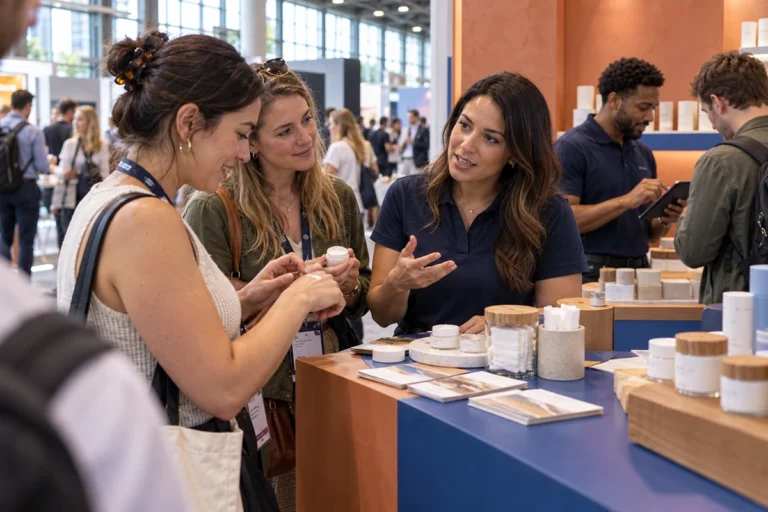
An event brand ambassador is the person who represents your brand to guests from setup to wrap-up. Before your event,...