

Daniel M., CEO - Premier Staff
In 2026, events succeed or fail based on how well hospitality teams manage flow. For those entering event hospitality staffing today, this is a career path built on reliability, judgment, and on-site leadership.
Want to Elevate Your Brand Ambassador Staffing Agency NYC Plans?
Weddings succeed or fail based on the people managing the service on the ground. Investing in professional, trained waiting staff ensures meals are served smoothly, guest areas stay organized, and your reception flows exactly as planned.
Imagine being part of the action at the biggest events of the year, from high-energy festivals to exclusive VIP galas. Hospitality staffing jobs offer more than just pay; they give you a backstage pass to the live events industry.
For those starting out, the field can seem hard to break into. You may be asking yourself: Do I need prior experience? Is it only serving food and drinks? How can I get hired for premium events?
This guide answers those questions. You will learn how to start a career in event hospitality staffing, understand the roles available in 2026, and see how a single gig can grow into a reliable, high-paying career. By following these steps, you can position yourself for long-term success in event hospitality jobs.
Executive Summary
Hospitality staffing jobs are where many event careers begin, because these roles sit directly inside guest flow, VIP handling, and catering pacing. In 2026, event hospitality staffing is more structured, credentialed, and operationally critical than most job seekers expect.
Are You a Good Fit for Event Hospitality Staffing?
Before applying for hospitality staffing jobs, it is important to know if you have the right traits. You do not need a degree, but success depends on three core qualities:
- The Swan Effect: Can you stay calm and professional on the surface even when things get hectic behind the scenes?
- Situational Awareness: Do you notice when a guest needs help or when a station requires attention before anyone asks?
- Stamina: Can you maintain energy and a positive attitude throughout an 8-hour shift on your feet?
These traits make the difference between simply filling a role and becoming an invaluable part of the event team. Agencies and event managers look for staff who can manage pressure, anticipate needs, and keep events running smoothly.
Debunking the Myths About Event Hospitality Staffing
Many newcomers misunderstand what event hospitality jobs really involve. Let’s clear up the common myths:
- Myth 1: “It’s just carrying trays.”
Reality: In 2026, hospitality staff are part of the overall brand experience. You manage VIP flow, guest satisfaction, and solve problems in real time. - Myth 2: “You need years of experience.”
Reality: Reliability and attitude often outweigh formal experience. Agencies provide training and value staff who are dependable, adaptable, and professional.
Understanding the realities of these roles helps you approach event hospitality staffing with confidence. You will see that each shift offers opportunities to develop skills that lead to long-term careers in events.
Why is event hospitality staffing more critical in 2026?
Event hospitality staffing matters more in 2026 because tighter timelines and impatient guest behavior leave less margin for on-site mistakes.
In real-world event operations, hospitality staff absorb friction before it reaches supervisors. Late arrivals, badge issues, and catering delays- these don’t look like crises until they stack. That’s when events wobble.
What’s changed since 2023 is rhythm. Guests arrive in waves. Load-ins overlap with live moments. Hybrid timelines compress staffing buffers. According to the 2026 Events Forecast, 71% of event professionals anticipate significant cost increases per attendee, leading to leaner on-site staffing. That’s why event hospitality staffing is now treated as a risk-control layer, not extra help.
What do hospitality staff do at live events?
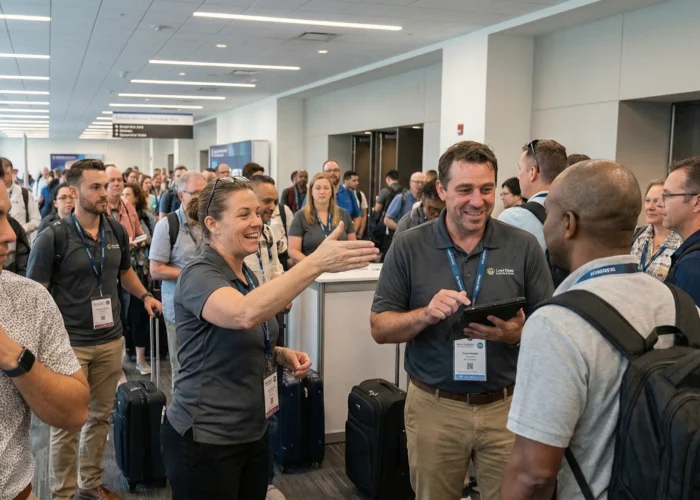
Hospitality staff manage guest flow, service timing, and VIP support to prevent small issues from escalating into visible event failures.
On the floor, hospitality staff roles sit at the front line, where guests notice everything. The work blends service with timing and judgment. On a typical event, hospitality staff prevent:
- Delays in guest services or catering
- Miscommunication between event teams
- Poor guest satisfaction or negative experiences
They welcome guests, manage refreshments, assist VIPs, and support logistics. But more importantly, they stabilize the flow when conditions change fast. This operational awareness becomes especially critical at weddings and private events where bartender coordination and service pacing directly impact guest experience.
What Breaks First When Staffing is Thin
When hospitality teams are understaffed, failures usually appear in coordination, not in individual tasks. Check-ins may run smoothly at first, but queues split, radios light up, and supervisors are pulled into solving problems instead of overseeing operations.
Common breakdowns include:
- Miscommunication between teams
- Delays in catering or guest services
- Reduced guest satisfaction due to slower responses
Even a small gap in staffing can create a ripple effect. Skilled hospitality staff fill these gaps proactively, ensuring events run seamlessly and supervisors can focus on high-level management instead of firefighting.
What are the most common event hospitality roles?
Event hospitality jobs cover guest services, catering support, VIP assistance, event concierge, and floater positions. Each role plays a critical part in keeping events running smoothly and ensuring top-tier guest experiences.
Role | Responsibilities | Keyword Focus |
Guest Services | Welcome guests, check-in, seating | event hospitality staffing |
Catering Support | Serve food, manage buffets, replenish stations | hospitality staffing jobs |
VIP & Talent Assistant | Escort VIPs, coordinate schedules, ensure comfort | event hospitality jobs |
Event Concierge | Handle requests, troubleshoot issues, liaise with the team | event staffing careers |
Floater / Utility | Support multiple areas as needed | hospitality staffing jobs |
Tip: Using the primary and secondary keywords naturally in both headings and bullet points strengthens SEO without keyword stuffing.
Pro-Tips: How to Get Rebooked Instantly
You want to be the first name the scheduler calls for the next gig. Here is how:
- The “Check-In” Text: Send a confirmation text the night before. It calms the staffing manager’s anxiety about no-shows.
- Read the Room: If you see a line forming at the bar, don’t wait for orders. Jump in to clear glassware or direct traffic.
- Understand the Costs: Understanding event labor costs helps you recognize when teams are running lean. If you can cover a gap without being asked, you become invaluable.
How do you start a career in event hospitality staffing?
Breaking in is simple, but not casual. Here is your roadmap to getting hired.
Step 1: Audit Your Digital Handshake: Agencies will Google you. Ensure your social profiles look professional (or private). On your resume, highlight any role where you handled pressure, retail, sports, or volunteer work all count.
Step 2: Find the Right Agencies: Don’t just apply to “events.” Search for specific terms like “premium event staffing” or “event hospitality staffing agencies near me.” Look for agencies that emphasize training and standards, not just “gig work.”
Step 3: Master the “Soft Skills” Pitch: When you interview, don’t just say you are a hard worker. Give examples of:
- Punctuality: “I am always 15 minutes early.”
- Presentation: “I understand the importance of uniform standards.”
- Adaptability: “I am comfortable switching roles if the event needs it.”
Step 4: Start with “Floater” Roles: A quick operational note: “Floater” or utility roles often advance fastest. You see bottlenecks form in real time and learn how teams interact under pressure. This operational awareness becomes especially critical at weddings and private events where bartender coordination and service pacing directly impact guest experience.
In 2026, AI-assisted scheduling reduces slack. Global industry stats highlight that 74% of organizers are actively seeking talent to fill specific skill gaps. Reliability and readiness matter more than ever.
What does career growth look like in event hospitality staffing?
Event hospitality careers typically progress from entry roles to floor leadership, then into coordination or operations management.
The growth path in event hospitality staffing is consistent because events reward the same traits: calm, clarity, and controlled speed.
- Short-term: event assistant, catering support, guest services associate
- Mid-term: floor manager, VIP liaison, hospitality coordinator
- Long-term: event operations manager, hospitality director
The real shift happens when you stop executing tasks and start managing outcomes. Leaders focus on staffing ratios, escalation timing, and cost control. The same principles that govern brand activation staffing apply when coordinating multi-role teams at large events.
Are hospitality staffing jobs entry-level or long-term careers?
Hospitality staffing jobs can be entry-level, but consistent performance often leads to long-term roles across venues, agencies, or touring programs.
Some event hospitality jobs are seasonal by design. Others become steady through volume, not titles. According to event market reports, the global events market will reach $1.46 trillion in 2026. This expansion is creating more stable, credentialed career pathways.
Rookie Mistakes That Kill Event Staffing Careers
Avoid these common pitfalls to build a successful career in event hospitality staffing:
- “It’s Not My Job” Attitude: In events, every task matters. If you see trash, pick it up. If a guest needs help, take ownership and resolve it.
- Ignoring Protocols: Uniform rules, tipping procedures, and agency standards exist for a reason. Ignoring them signals inexperience.
- Underestimating Timelines: Hybrid event schedules compress staffing buffers. Being “on time” may already be too late.
By understanding these common mistakes, you can demonstrate professionalism, reliability, and initiative traits that agencies and event managers value for repeat bookings and career advancement.
Building Your Professional Track Record
The path from a “gig worker” to a recognized event professional is shorter than many expect. Success begins with reliability and consistency, grows through hands-on experience, and solidifies when you master details others miss.
Key steps to build your professional track record:
- Be Dependable: Arrive early, follow instructions, and stay attentive throughout each event.
- Learn Continuously: Observe workflows, ask questions, and adapt to different event types.
- Demonstrate Initiative: Take proactive action to solve problems and support your team.
- Document Experience: Keep a record of events, roles, and special responsibilities for future applications.
A strong professional record increases your chances of repeat bookings, promotions, and entry into leadership roles within event hospitality staffing.
Ready to Step Up? If you have the drive to deliver exceptional service, we want to hear from you. Visit our careers page to join the Premier Staff roster and start your journey in premium event hospitality.
What qualifications do I need for event hospitality staffing?
Most roles don’t require formal degrees. Whether you’re supporting private bar services or working in wedding hospitality roles, venues value staff who understand timing and guest management.
Can students or volunteers get hospitality staffing jobs?
Absolutely. Weekend and seasonal shifts are common entry points. If you’re exploring corporate event staffing or private party support, part-time availability is a major advantage during peak seasons.
How do I move from hospitality staff to management?
You move up by taking lead responsibilities. Show you understand the bigger picture, like staffing cost tools and flow management. This signals an awareness of team dynamics and hospitality staff client expectations.
Are event hospitality jobs seasonal or full-time?
It depends. Many workers stack shifts across venues. Working with agencies that serve multiple types, from weddings with open bar service to brand activations, ensures steady work.