

Daniel M., CEO - Premier Staff
From our experience managing large-scale events, stadium security personnel are essential for maintaining safe crowd movement across entry gates, concourses, and exits. When security teams operate with clear zones and proactive crowd monitoring, large stadium events can run smoothly even with tens of thousands of attendees.
Want to Elevate Your Brand Ambassador Staffing Agency NYC Plans?
Weddings succeed or fail based on the people managing the service on the ground. Investing in professional, trained waiting staff ensures meals are served smoothly, guest areas stay organized, and your reception flows exactly as planned.
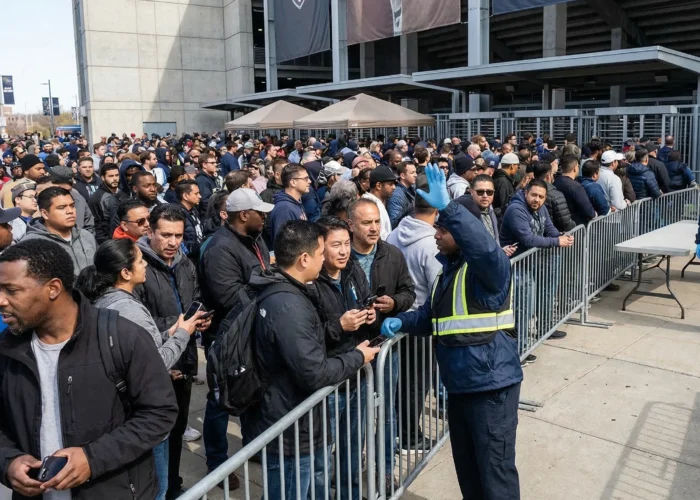
Managing large crowds inside a stadium requires careful coordination, clear planning, and well-trained teams. Tens of thousands of fans often arrive within a short time window, placing immediate pressure on entry gates, security checkpoints, concourses, and seating areas. Without structured oversight, these high-density environments can quickly lead to congestion, confusion, or unsafe crowd compression.
This is where stadium security personnel play a critical role. Their responsibility is not only to respond to incidents but also to prevent problems before they escalate. By controlling entry flow, monitoring crowd density, and guiding guest movement throughout the venue, stadium security teams help maintain a safe and organized environment during major events.
Across sports games, concerts, and large public gatherings, stadium security jobs focus on managing movement at the points where crowd pressure builds fastest. Entry gates, ticketing lanes, concourses, seating aisles, and exits all require active monitoring and clear communication to keep thousands of attendees moving safely.
This guide explains how stadium security personnel manage large crowds, what responsibilities are typically included in stadium security jobs, and what a practical stadium security job description looks like across different zones of a stadium during high-attendance events. When these roles are structured correctly, venues can maintain stable crowd flow while delivering a safe and smooth experience for every guest attending the event.
Executive Summary
Stadium security personnel manage large crowds by controlling entry points, monitoring concourse density, and guiding safe movement across key venue zones. This guide explains how stadium security jobs operate, what a practical stadium security job description includes, and how structured staffing prevents congestion and crowd risk at major events.
Stadium Security Personnel Role Overview for Event Day
Stadium security personnel keep large events safe by maintaining controlled movement, monitoring high-pressure areas, and addressing problems before they spread. Their role is less about reacting after incidents happen and more about preventing crowd instability early. Across sports events, concerts, and stadium activations, these teams support a safer environment by focusing on the points where crowd pressure builds fastest.
According to CISA, public gatherings are increasingly vulnerable to security risks precisely because of their relative accessibility and large number of potential targets, making structured, visible security coverage essential from gate open through final exit.
Key responsibilities often include:
- Managing entry and screening flow
- Monitoring concourses, stairs, and ramps
- Responding to disputes or disruptive behavior
- Reporting hazards and escalating serious incidents
- Supporting orderly movement during peak surges
Strong stadium security jobs begin with anticipation, not reaction. Teams that understand crowd control fundamentals and high-density event dynamics are far better positioned to prevent problems before they compound.
Stadium Security Job Description by Zone and Responsibility
A clear stadium security job description becomes more effective when duties are organized by location. Different parts of a venue face different crowd pressures, so stadium security personnel are positioned based on risk zones.
Common coverage areas include:
Entry and Perimeter
- Credential verification
- Bag screening support
- Queue stabilization during arrival surges
Ticketing and Turnstiles
- Keeping lanes moving
- Redirecting guests with ticket issues
Concourse Areas
- Monitoring congestion
- Clearing blocked walkways
Seating Bowl and Aisles
- Keeping stairs clear
- Managing seat disputes
These structured stadium security jobs help maintain consistent coverage during high-attendance events. Planners who work with experienced stadium event staffing providers understand that zone-based assignments are the baseline for safe crowd management , not an optional upgrade.
Stadium Security Jobs and the Peak Moments That Need Coverage
Attendance numbers alone do not determine crowd risk inside a stadium. The most critical moments for stadium security personnel occur during predictable surge periods when large groups move at the same time. These short windows can create intense pressure on gates, corridors, concessions, and exits.
Because of this, stadium security jobs are planned around timing as well as location. When teams anticipate these high-traffic moments, they can guide movement early and prevent congestion before it builds.
For example, during major playoff games or large concerts, thousands of attendees may arrive within a narrow window before kickoff or showtime. Without visible stadium security personnel directing lines and monitoring screening lanes, queues can quickly compress near entry checkpoints.
Common peak moments that require additional security coverage include:
- Initial gate opening and early arrival surges
- Pre-event crowd buildup outside stadium entrances
- Halftime or intermission movement toward restrooms and concessions
- End-of-event exits through ramps, stairs, and corridors
- Post-event congestion around parking areas and rideshare zones
During these periods, a strong stadium security job description emphasizes:
- Active crowd direction rather than passive observation
- Clear verbal instructions to guide guest movement
- Visible presence near chokepoints and intersections
- Early intervention when walkways begin to slow
When stadium security personnel are positioned around these peak moments, they help maintain steady movement across the venue. This proactive approach allows large stadium events to handle high attendance safely while reducing the risk of crowd compression or blocked pathways.
Stadium Security Personnel and Crowd Flow Control Basics
The primary responsibility of stadium security personnel is maintaining stable crowd movement. When guests keep moving smoothly through entrances, concourses, and seating areas, crowd density stays manageable and risks remain low. Many stadium security jobs focus on observing flow patterns and intervening early when congestion begins.
Research on mass gathering events published by the National Institutes of Health confirms that areas of attendee egress should be twice as large as points of entry, and that comprehensive crowd management planning, including adequate staffing, is a non-negotiable safety standard for large venues.
Common crowd flow practices include:
- Keeping walkways, ramps, and stairs clear
- Monitoring density near concessions and restrooms
- Positioning staff at corridor intersections
- Redirecting guests before queues block pathways
A practical stadium security job description prioritizes early action because once crowd movement stops, restoring safe flow becomes much more difficult.
Stadium Security Job Description for Conflict Prevention and De-Escalation
A key responsibility within any stadium security job description is preventing small issues from escalating into larger crowd problems. Most incidents begin with minor disputes, intoxication, or confusion about seating or access. Well-trained stadium security personnel address these situations early and calmly so nearby crowds remain stable. Understanding event crowd dynamics is part of what separates proactive security teams from reactive ones.
Common de-escalation practices used in stadium security jobs include:
- Speaking calmly and giving clear instructions
- Creating physical space between guests
- Moving disputes away from dense areas
- Requesting supervisor support when needed
Immediate escalation is required when staff identify threats, suspected weapons, serious intoxication, or medical emergencies.
Stadium Security Jobs Staffing Levels and Planning Assumptions
Effective planning for stadium security jobs begins with understanding the specific risks of the venue rather than relying on attendance numbers alone. Two events with the same number of attendees can create very different security demands depending on stadium layout, gate availability, alcohol service, and crowd behavior.
For this reason, experienced planners assign stadium security personnel based on pressure points across the venue. Instead of distributing staff evenly, teams are placed where crowd movement is most likely to slow or compress.
Several operational factors influence how stadium security jobs are structured for large events.
Key planning considerations typically include:
- Total number of entry gates and security screening lanes
- Stadium layout including concourse width, ramps, and stairways
- Known chokepoints or narrow corridors that may slow movement
- Event profile such as rivalry games, concerts, or championship events
- Alcohol service and tailgating activity that may affect guest behavior
- Availability of floaters who can respond to developing crowd surges
In many stadium operations, security teams are also assigned mobile personnel who can move between zones as conditions change. These flexible roles allow stadium security personnel to respond quickly when crowd patterns shift during halftime, intermissions, or post-event exits.
A practical stadium security job description supports this flexible approach by clearly defining responsibilities while allowing supervisors to reposition teams as needed. When staffing plans focus on risk areas rather than simple headcount, venues are better equipped to manage large crowds safely throughout the event.
Stadium Security Personnel Checklist for Safe Exits
The end of a stadium event often creates the highest crowd density of the entire day. Thousands of guests may leave their seats at the same time, creating pressure on stairways, ramps, concourses, and exterior exits. For this reason, stadium security personnel remain actively positioned throughout the venue until crowd levels return to normal.
A well-structured exit strategy ensures that guests can leave the stadium steadily without creating congestion or unsafe crowd buildup. During these periods, stadium security jobs focus on guiding movement, keeping pathways clear, and monitoring areas where bottlenecks may develop.
Common responsibilities for stadium security personnel during event exits include:
- Guiding guests toward the correct exit gates, ramps, and stairways
- Keeping emergency lanes and service routes clear for staff access
- Monitoring stairways and narrow corridors where crowd pressure can increase
- Managing congestion near rideshare pickup areas and parking exits
- Redirecting guests when certain exits become overloaded
Clear communication between teams is essential during this phase. Supervisors may reposition stadium security personnel to areas where crowd movement begins to slow so that congestion can be relieved quickly.
A practical stadium security job description ensures that exit coverage remains active until crowd density drops to safe levels. Maintaining this level of oversight helps venues prevent post-event congestion and ensures that large groups can leave the stadium safely and efficiently.
What Does It Actually Take to Keep a Stadium Safe?
Large stadium events depend on strong planning and experienced teams to manage high-density crowds. Stadium security personnel help maintain safe conditions by controlling entry flow, monitoring crowd density, and responding quickly when issues begin to develop.
Across sports events and concerts, stadium security jobs focus on keeping movement steady at entry gates, concourses, seating areas, and exits. A practical stadium security job description prioritizes prevention, clear communication, and early intervention to keep crowds stable.
If you are planning an upcoming event, working with an experienced staffing provider helps ensure stadium security personnel are deployed strategically across key venue zones.
Request a staffing consultation to build a stadium security plan tailored to your venue and expected attendance.
What do stadium security personnel handle during entry surges?
Stadium security personnel stabilize entry lines, monitor bag screening speed, and guide guests to available lanes when queues build. Their role during entry is preventing compression before it begins. Well-coordinated crowd control staffing ensures guests move steadily through gates without creating pressure near screening checkpoints.
What should a stadium security job description include for large events?
A practical stadium security job description defines zone assignments, reporting structure, communication channels, and escalation procedures. Clear responsibilities allow stadium security personnel to respond quickly during peak crowd moments. Working with a professional event staffing agency ensures that security roles are filled by trained, experienced professionals from the start.
What zones do stadium security jobs typically cover?
Most stadium security jobs operate across entry gates, ticketing lanes, concourses, seating bowls, and restricted areas. Assigning stadium security personnel by risk zone ensures consistent coverage. For large-scale events, hospitality and crowd teams are often deployed alongside security to manage guest flow and reduce pressure on dedicated security staff.
How do stadium security personnel prevent crowd compression?
Stadium security personnel keep walkways clear, monitor density, and redirect guests early. Continuous movement helps maintain safe crowd flow. For events expecting high gate volume, pairing security with trained production and event staff at key chokepoints gives teams the visibility and bandwidth to manage surges before they compress.