
- Why Pop-Up Brand Activation Campaigns Fail Before Noon (And How to Fix It)

Why Pop-Up Brand Activation Campaigns Fail Before Noon (And How to Fix It)
Most pop-up brand activation campaigns don’t fail because of weak creative; they fail because the first three hours are operationally broken.
In high-traffic environments, peak footfall often begins before 10 AM, yet many activation pop-up teams are still setting up at 11. That gap leads to missed engagement, lost samples, and weak first impressions.
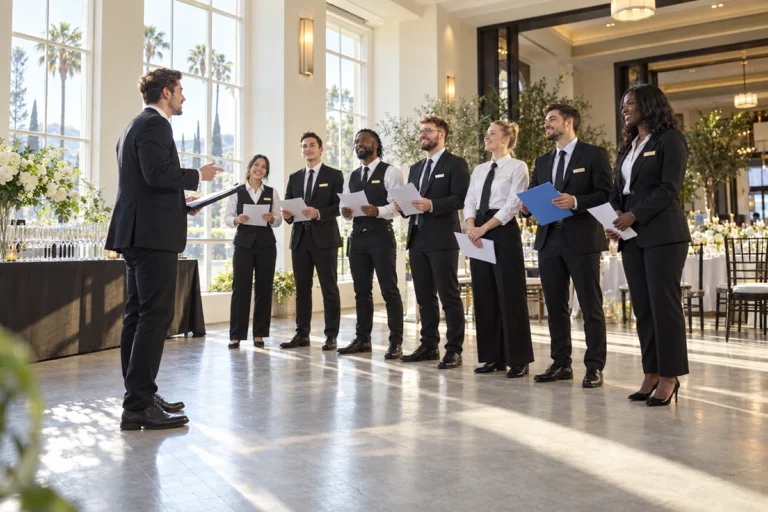
The most effective pop-up event marketing campaigns treat the opening window like a live product launch, not a setup period. That means fully staged inventory, assigned staffing roles, and guest-ready stations before the first crowd forms.
Executive Summary
Most pop-up activations lose their highest-value traffic window before noon because setup, staffing, and replenishment systems are not fully operational when crowds arrive. The strongest pop up brand activation campaigns treat the first three hours like a live launch window, not a casual setup period. Clear station ownership, staggered staffing, and preassigned operational roles usually determine whether pop-up activations build momentum or fall behind immediately.
We worked on a beverage pop-up where the team had amazing creative production, but nobody assigned restocking ownership. By noon, the display looked half-empty even though inventory was sitting in the backroom. Guests assumed the product was sold out. Small operational misses change how people experience the brand.
— Daniel Meursing, CEO of Premier Staff
The biggest misconception in pop-up event marketing is assuming setup ends when staff arrive. In reality, the first 90 minutes usually decide how the entire day feels to guests. A lot of pop-up brand activation teams schedule staff arrival too close to opening time. That creates a chain reaction:
- products still being unpacked
- signage not fully installed
- demo stations unfinished
- staff asking basic operational questions onsite
- sample inventory sitting in storage
- Guest lines are forming before activation. Pop-up stations are functional
And once the energy feels disorganized early, it becomes difficult to recover.
One retail activation manager shared that during a sneaker launch in 000, the crowd started forming almost an hour before the official opening. Staff were still building display tables while visitors were already recording videos for social media. The activation technically “opened on time,” but the strongest traffic window had already been wasted.
Good pop-up activations usually feel operationally calm before guests even arrive. During a major tech product launch pop-up, the brand had incredible creative displays and well-trained ambassadors, but failed to assign clear backend inventory ownership. By 10:30 AM—before peak lunch traffic the demo stations had run out of product samples, even though 500+ units were sitting in storage.
As research on operational pitfalls shows, “Operational oversights, such as inadequate staffing or inventory issues, can significantly impact the customer experience.” Staff spent 5-10 minutes per guest explaining why stations were empty. By noon, guest engagement had dropped 60%.
Why Pop-Up Brand Activation Teams Lose So Much Time During Setup
A common issue in pop-up activations is unclear station ownership. Everybody is “helping,” but nobody actually owns specific responsibilities. That usually creates:
- duplicate setup work
- missing inventory
- delayed demos
- incomplete product staging
- confusion around guest flow
Strong pop-up brand activation teams avoid this by assigning exact operational ownership before Day 1 begins. Instead of vague instructions like “Help where needed.” Experienced activation pop-up managers assign the following:
- Who owns replenishment
- Who owns guest flow
- Who manages demo resets
- Who handles line organization
- Who monitors inventory
- Who controls backend storage access
That level of specificity matters more than most brands realize.
Why a Major Beauty Activation Lost $50K in Peak Traffic Because of One Missing Operational Role
A beauty activation in 000 had strong opening traffic but lost momentum because demo kits were scattered between multiple storage areas. This wasn’t a staffing shortage; the brand had hired professional activation teams, but rather a coordination failure. Staff spent more time locating inventory than interacting with guests. Experienced pop-up event staffing guides emphasize that a single dedicated runner or operations lead whose only responsibility is replenishment and backend coordination can protect the entire activation flow.

Why Pop-Up Event Marketing Campaigns Run Out of Energy By Midday
A lot of brands underestimate how physically demanding pop-up activations actually are. Staff are standing outdoors, managing crowds, repeating demos, carrying inventory, answering questions, and maintaining brand energy continuously for hours. Without rotation systems, performance drops fast. You can usually see it happen in real time:
- slower guest engagement
- shorter conversations
- weaker product explanations
- less proactive interaction
- delayed replenishment
- visible staff fatigue
And guests notice that energy shift immediately. One activation pop-up campaign during a summer festival in ’00 scheduled the same ambassadors for nearly 11 straight hours without staggered breaks. By mid-afternoon, staff engagement had noticeably dropped, even though traffic remained high. The issue was not staffing quantity. It was endurance planning.
Good pop-up brand activation campaigns build staffing structures around energy preservation, not just shift coverage. That is why experienced teams often use the following:
- staggered start times
- short recovery rotations
- hydration checkpoints
- dedicated runners
- floating backup staff
- separate setup and guest-facing crews
For detailed guidance on staffing and scheduling, proven frameworks show that the strongest multi-hour pop-up activations feel consistent from opening through closing because the staffing structure protects energy early.
Subscribe To Our NewsLetter
We help you to elevate your events with our highly skilled professionals. You got these three simple steps to book our service
Why Pop-Up Activations Often Run Out of Samples Before Noon
Inventory management quietly destroys a lot of pop-up event marketing campaigns. Most teams focus heavily on front-end visuals but underestimate replenishment logistics. During busy pop-up activations, samples disappear faster than expected once social traffic begins building momentum. The common issue is simple: nobody is assigned to monitor restocking cycles consistently. So staff leave guest-facing positions to grab inventory themselves. That creates:
- unattended stations
- slower engagement
- messy displays
- inconsistent product presentation
The pop-up store disadvantages report identifies inventory coordination as a top operational risk. Experienced pop up brand activation teams usually assign one dedicated runner or operations lead whose only responsibility is replenishment and backend coordination. That single operational role often protects the entire activation flow.

How Strong Pop-Up Brand Activation Teams Prepare Before Day 1
The strongest activation pop-up campaigns usually feel effortless to guests because the operational planning happened days earlier. Experienced pop-up event marketing teams often prepare:
- station maps before arrival
- role cards for every staff member
- preload inventory counts
- setup sequencing plans
- replenishment schedules
- backup staffing rotations
- escalation contacts for emergencies
The goal is not perfection. The goal is to prevent avoidable delays during the exact hours when foot traffic matters most.
Why Successful Pop-Up Activations Feel Smooth From The Start
Most guests never notice operational planning directly. They notice the result:
- short lines
- fast interactions
- energetic staff
- fully stocked stations
- smooth demos
- confident brand ambassadors
That consistency is usually what separates strong pop-up activations from the ones that feel chaotic by lunchtime. The best pop up brand activation campaigns are not just creatively impressive. They are operationally disciplined from the very first hour. And in pop-up event marketing, those early hours often determine whether the activation builds momentum or spends the rest of the day trying to recover.
When planning multi-location or high-scale pop-up activations, how pop-up agencies fill gaps by providing operational expertise and trained staff can be the difference between campaign success and missed opportunities.

FAQs
Why do most pop-up activations struggle during the first few hours?
Most pop-up activations lose time because setup, staffing, and inventory systems are still unfinished when guests arrive. In strong pop-up brand activation campaigns, operational preparation usually starts well before opening time.
What causes activation pop up teams to lose traffic before noon?
The biggest causes are delayed setup, unclear staff assignments, poor replenishment planning, and exhausted staff energy early in the day. Pop-up event marketing campaigns often underestimate how quickly traffic builds once the activation opens. Promotional staff and event teams trained in operational efficiency usually manage this transition more effectively.
How do strong pop up brand activation teams prevent burnout?
Experienced teams use staggered shifts, hydration breaks, floating backup staff, and dedicated operational roles. The goal is to maintain consistent guest energy throughout the activation instead of exhausting staff early.
Why do pop-up activations run out of samples so quickly?
Most pop-up activations fail to assign clear replenishment ownership. Inventory exists, but staff lose time locating products because nobody is actively managing backend operations.
What should brands prepare before laun ching pop-up event marketing campaigns?
Strong pop-up event marketing preparation usually includes station maps, role assignments, replenishment schedules, inventory staging, staffing rotations, and emergency escalation plans before Day 1 begins.
Plan a Pop-Up Activation That Performs From Hour One
If your pop-up brand ambassadors‘ activation isn’t fully operational before the first guest arrives, you’re already behind.
PremierStaff helps brands execute high-performance pop-up activations with:
- Pre-assigned staffing roles
- On-site operational leads
- Real-time replenishment systems
- Energy-managed staffing rotations
👉 Book a staffing strategy call today and ensure your next activation is fully guest-ready before peak traffic begins.
Are You Ready to Elevate Your Event?
Don’t wait—book Premier Staff now to secure top-tier professionals for your next event.
Recommended Posts
An event brand ambassador is the person who represents your brand to guests from setup to wrap-up. Before your event,...