- 6 Retail Activation Ideas That Drive Foot Traffic in 2026

Retail Activation Ideas That Actually Drive Traffic
Executive Summary
Retail activation ideas work because they replace passive browsing with active engagement. Instead of relying on discounts, brands use retail event ideas and in-store activation ideas to create interaction that leads to higher conversions and repeat visits. The most effective retail activation ideas today, from sampling to gamification, depend heavily on execution. Strong shopper marketing activations and retail experiential marketing succeed when trained staff guide the experience. This guide breaks down which retail activation ideas work, why they work, and how to execute them properly.
What Are Retail Activation Ideas?
Retail activation ideas are in-store marketing strategies designed to engage shoppers through interactive, experience-driven moments rather than passive promotions.
Unlike traditional tactics like discounts or signage, these activations focus on participation, encouraging customers to try, customize, explore, or interact with products in a meaningful way.
Common examples include:
- Product sampling experiences
- Pop-up installations
- Gamified shopping journeys
- Influencer-led retail events
The goal is simple:
Increase foot traffic, extend dwell time, and create stronger emotional connections with the brand.
Most brands don't fail because their retail activation ideas are weak. They fail because the people executing them aren't prepared. A well-designed activation without the right staff creates friction, while even simple in-store activation ideas succeed when executed with clarity and confidence.
— Daniel Meursing, CEO of Premier Staff
Discounts can create short-term purchase spikes, but they do not always give shoppers a reason to engage with the brand. Retail activations work differently because they introduce participation, whether that means trying a product, joining a demonstration, customizing an item or taking part in an in-store experience.
That interaction can increase dwell time, product discovery and the number of meaningful shopper conversations. The value comes from giving people something to do, rather than relying only on price to influence the purchase.
Experienced event staff can support that experience by explaining products, guiding participation, and helping move interested shoppers toward the next step.
Retail Activation Ideas: Product Sampling That Converts
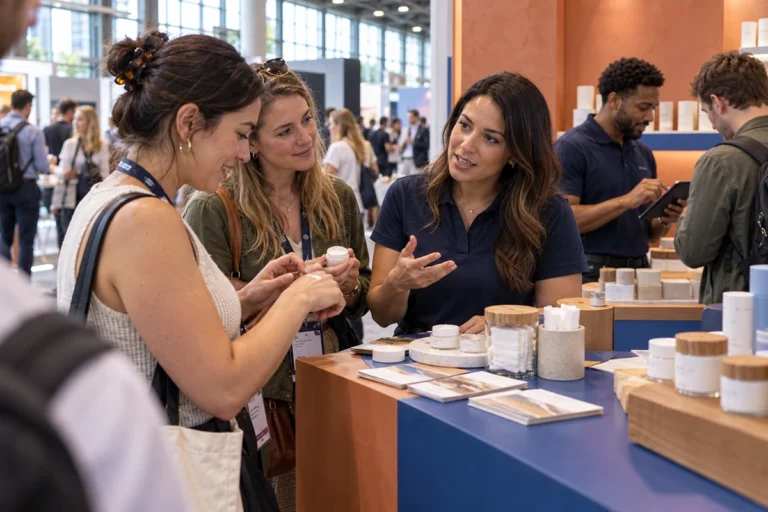
Product sampling works best when the interaction goes beyond simply handing someone a free item. The strongest sampling activations give shoppers enough context to understand the product, ask questions and decide whether it is relevant to them.
Best for: food and beverage, beauty, wellness and CPG brands.
Research on sampling sales lift shows that in-store product sampling can generate measurable short-term sales increases during demo events.
How to execute this in-store activation idea:
- place sampling at natural traffic points
- train staff to ask questions, not just offer samples
- connect sampling directly to the next purchase step
Using trained brand ambassadors helps make the interaction more useful by giving shoppers someone who can explain the product, answer questions and guide interested customers toward the next step.
A strong sampling activation should create a clear path:
sample → interest → purchase
Sampling becomes far more effective when the interaction gives shoppers a reason to stop, understand the product, and act.

How a Sampling Activation Improved Shopper Engagement
A beverage brand can run the same sampling activation in two very different ways. In one, staff simply hand out products. In the other, trained brand ambassadors introduce the product, ask a quick preference-based question, explain a relevant benefit, and direct interested shoppers toward the purchase point.
The activation itself has not changed. The difference is what happens around the sample.
Better execution gives shoppers more context, creates an opportunity for questions and provides a clearer path from trial to purchase.
The takeaway: The activation idea can stay the same and the quality of execution changes what shoppers do next.
Subscribe To Our NewsLetter
We help you to elevate your events with our highly skilled professionals. You got these three simple steps to book our service
Retail Activation Ideas: Pop-Up Experience Zones
Pop-up experience zones give shoppers a dedicated space to interact with a brand, product, or campaign inside a larger retail environment. They work best when the area feels distinct from the surrounding store and gives people a clear reason to step in.
Best for: product launches, beauty, fashion, lifestyle brands, and limited-time campaigns.
How to execute this retail activation idea:
- create a clearly defined activation space
- make participation the focus, not just display
- give shoppers something worth trying, exploring, or sharing
Staffing matters because pop-ups often involve more than one type of interaction. Brand ambassadors or hospitality staff can welcome visitors, explain how the experience works, and help keep the space active during busy periods.
The strongest pop-up zones are easy to understand at a glance and give shoppers a clear next step once they enter.
Retail Activation Ideas: Customization Stations That Convert
Customization stations turn shopping into participation by allowing customers to personalize a product before they buy it. That could mean choosing colors, adding initials, creating a combination or selecting from different product options.
Best for: fashion, beauty, accessories, gifting and products where personalization adds genuine value.
How to execute this retail activation idea:
- keep customization options easy to understand
- guide shoppers through the process in clear steps
- display finished examples so customers know what they can create
- make the handoff from customization to purchase straightforward
Staff can play an important role when shoppers have questions or need help comparing options. Trained brand ambassadors or product specialists can explain the process, keep the station moving and make sure the experience does not become confusing during busier periods.
The best customization activations give shoppers enough choice to make the product feel personal without turning the experience into a complicated decision.

Retail Activation Ideas: Influencer-Led Store Events
Influencer-led store events can create a strong reason for shoppers to visit at a specific time rather than treating the store as an everyday stop. They work especially well around launches, limited releases, demonstrations, and community-focused events.
Best for: product launches, beauty, fashion, lifestyle brands, and campaigns built around an existing creator audience.
How to execute this retail activation idea:
- promote the event before launch day
- create clear session or appearance times
- plan for concentrated arrival periods
- separate guest check-in from the main interaction area
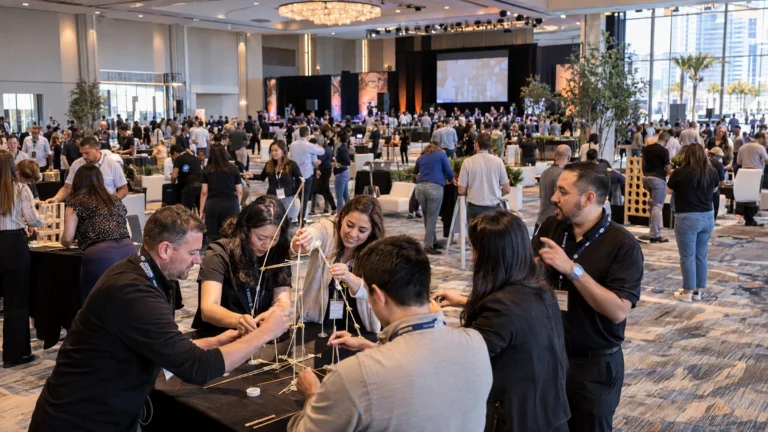
Staffing becomes particularly important when a large number of guests arrive within a short window. Greeters, check-in staff, and hospitality teams can help organize entry, answer questions, and keep the main activation area from becoming congested.
The goal is to make the event feel active without allowing the guest experience to become disorganized.
Retail Activation Ideas: Sensory Experiences in Stores
Sensory activations help shoppers understand a product through direct interaction rather than description alone. Depending on the category, that might involve texture, scent, taste, sound or a combination of several senses.
Best for: fragrance, beauty, food and beverage, home products, and premium retail.
Examples can include:
- fragrance testing
- texture or material demonstrations
- guided tastings
- product comparison stations
- sound or environment-based experiences
How to execute this retail activation idea:
- keep each interaction short and easy to understand
- connect the sensory element directly to the product
- explain what shoppers should notice
- avoid adding effects that distract from the product itself
Staff can help guide the experience, answer questions, and make sure customers understand what they are interacting with rather than simply moving through the activation.
The sensory element should improve product understanding. If shoppers remember the experience but not the product, the activation has missed the point.
Retail Activation Ideas: Gamified Shopping Experiences
Gamification gives shoppers a simple reason to participate rather than just browse. The activity does not need to be complicated. In fact, the easiest games are often the most effective because shoppers immediately understand what they need to do.
Best for: store openings, loyalty campaigns, younger audiences, product discovery, and multi-zone retail spaces.
Examples include:
- spin-to-win
- scavenger hunts
- product challenges
- quizzes
- digital prize draws
- collect-and-redeem activities
How to execute this retail activation idea:
- keep the rules simple
- make the reward clear
- limit the number of steps
- show progress where possible
- connect the activity to a product or store objective
Staff should be able to explain the activity quickly and keep participation moving during busy periods. If shoppers need a long explanation before they understand the game, the activation becomes harder to join.
Strong shopper marketing activations rely on clarity → If it takes more than 10 seconds to understand, it won’t work.
Why Participation Matters More Than Spectacle
Retail activations do not need to be elaborate to create engagement. What matters is whether the shopper has something meaningful to do.
Sampling, customizing, testing, competing, and creating move customers from watching to participating. When planning an activation, ask one simple question: what is the shopper actually doing here?
If the answer is unclear, adding more visual elements probably will not fix the experience.
Why Retail Activation Ideas Depend on Staffing
The idea itself is only one part of a retail activation. The experience also depends on how staff introduce it, answer questions, and guide shoppers through the interaction.
Sampling requires product knowledge. Customization stations need clear guidance. Influencer events need organized arrivals. Gamified activations need someone who can explain the rules quickly and keep participation moving.
That is why event staffing should be planned around the activation format rather than treated as a generic headcount requirement. The right role, briefing, and placement can make a simple concept much easier for shoppers to engage with.
How to Staff Retail Activation Ideas That Convert
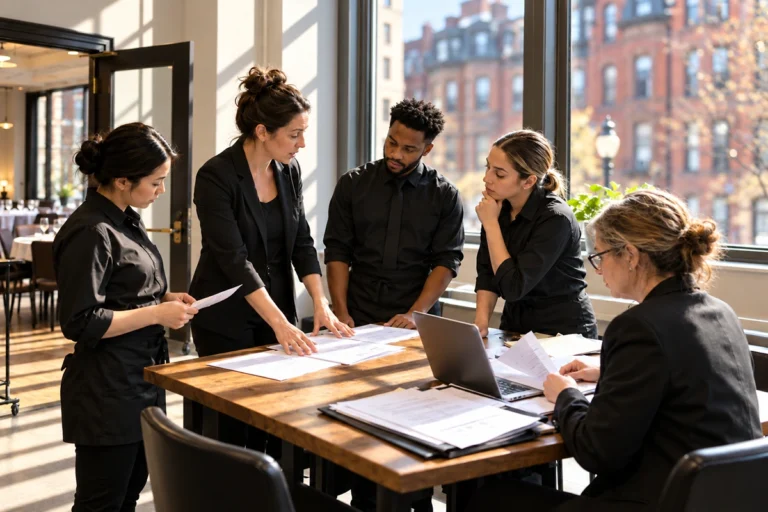
Different activation formats require different strengths from the people running them. A strong product sampler may not be the right person for a check-in-heavy influencer event, while someone running a customization station may need more product knowledge than someone supporting a simple giveaway.
Useful staff qualities include:
- strong product understanding
- natural conversational ability
- confidence approaching shoppers
- adaptability during busy periods
- the ability to follow a clear brand brief
Staff should also understand the point at which they hand a shopper over to a salesperson, product expert, or other member of the retail team.
Retail Activation Staffing Guide
Activation Type | Recommended Roles | Main staffing considerations |
Product Sampling | Ambassadors + Product Reps | Sampling volume and conversation time |
Pop-Up Experiences | Ambassadors + Hosts | Number of interaction points |
Customization Stations | Product Specialists + Hosts | Time needed per shopper |
Influencer Events | Greeters + Check-in staff + Hospitality staff | Arrival surges and queue management |
Sensory Activations | Ambassadors + Product Experts | Demo capacity and reset time |
Gamified Activations | Ambassadors + Check-In Staff | Participation time and prize handling |
Common Retail Activation Staffing Mistakes
- Hiring only for availability
Being available for the shift does not mean someone is suited to customer-facing activation work. Match staff to the actual interaction required.
- Skipping the briefing
Staff should understand the product, target shopper, key talking points, and desired next action before the activation starts.
- Understaffing peak periods
Average traffic can be misleading. Launch times, lunch periods, or scheduled appearances may create much heavier demand for short periods. - Leaving roles unclear
If everyone is expected to greet, demonstrate, collect leads, and manage queues at once, responsibilities become inconsistent. - Treating activation staff like general retail staff
Activation teams often need to initiate conversations rather than wait for shoppers to ask for help. That requires a different style of interaction.
Basic Staffing Structure for Retail Activation Ideas
- small activations → 2 staff
- medium activations → 3–5 staff
- large activations → 6+ staff
Rule: 1 trained staff per 50 active shoppers. Strong retail experiential marketing depends on balance, not excess, not shortage.
What to Measure in Retail Activation Ideas
The right metrics depend on what the activation is designed to achieve. Start by separating attention, engagement, and commercial outcomes.
1. Attraction metrics
- foot traffic
- stop rate
- activation visits
2. Engagement metrics
- participation rate
- dwell time
- demos or samples completed
- leads captured
Dwell time can be particularly useful for interactive formats such as sampling, customization, and sensory experiences because it shows whether shoppers are spending meaningful time with the activation rather than simply passing through it.
3. Commercial metrics
- conversion rate
- average order value
- units sold
- redemption rate
4. Post-activation metrics
- repeat visits
- follow-up purchases
- loyalty sign-ups
- attributable leads
An activation does not need to improve every metric; the important part is deciding what success looks like before the event starts.
Make Retail Activation Ideas Work
The strongest retail activation ideas usually have a simple structure: give shoppers something clear to do, make the interaction easy to understand, and create an obvious next step.
Sampling, customization, pop-ups, and gamification can all work, but the execution needs to match the objective. Start with the shopper behavior you want to encourage, then build the experience, staffing, and measurement around it.
A straightforward activation that gets people to stop, participate, and understand the product can be more useful than a complicated concept that attracts attention but leaves shoppers unsure what to do next.
Ready to transform your retail activations?
- Explore our event staffing solutions – Find trained professionals ready to execute
- Request pricing – Transparent costs for retail activations
- Schedule a consultation – Our team will customize a staffing plan for your activation

FAQs
What are the most effective retail activation ideas today?
The strongest retail activation ideas usually give shoppers a clear action to take. Product sampling, customization stations, pop-up experiences, influencer-led events, sensory activations, and gamified shopping can all work well when the format matches the product and campaign goal.
How do retail activations differ from discounts or promotions?
Discounts mainly influence price, while retail activations are designed to create interaction. A shopper may try a product, join a demonstration, customize an item or take part in an activity, giving the brand more opportunity to build product understanding and influence the next step.
Which retail activation ideas are best for increasing foot traffic?
Pop-up experiences, influencer-led events, product launches, and gamified activations often drive visits because they give shoppers a reason to come at a specific time. The experience still needs to be promoted properly and be easy to understand once shoppers arrive.
What role does staffing play in retail activation ideas?
Event staffing shapes how smoothly the activation runs and how naturally shoppers engage with it. The right team can explain products, guide participation, answer questions, and help move interested shoppers toward the next step without making the experience feel forced. For more complex activations, staff also help keep different interaction points organized during busier periods.
How should I measure the success of a retail activation?
Start with the campaign objective. Foot traffic and stop rate measure attention, while dwell time, participation and product trials measure engagement. Conversion rate, average order value, leads captured and repeat visits can help measure the commercial impact of the activation.
Final Thought
Outsourced Event Staffing Is About Risk, Not Just Cost. This decision isn’t about people. It’s about how your event performs. If your staffing is:
- late
- inconsistent
- underprepared
The event shows it. If your staffing is:
- trained
- aligned
- managed
The event runs smoothly.
👉 That’s when outsourced event staffing is actually worth it.
Contact us to discuss your event staffing needs and find the right solution for your goals.
Are You Ready to Elevate Your Event?
Don’t wait—book Premier Staff now to secure top-tier professionals for your next event.
Recommended Posts
An event brand ambassador is the person who represents your brand to guests from setup to wrap-up. Before your event,...