
- How to Hire and Train Production Assistants for Large Events

4:17 AM. The air is cold and still. The only sounds are the hum of a generator and the crackle of a freshly keyed walkie-talkie. This is the world of a Production Assistant, hours before your attendees even think about their morning coffee. By the time the doors open, a PA has already walked five miles, checked 50 signs, solved three logistical puzzles, and memorized the names of every key vendor.
This is the unseen reality behind every seamless conference, festival, and corporate event. It’s a world of relentless detail and quiet execution, where success is measured by the problems no one ever knew existed. Hiring for the demanding reality of production assistant jobs means finding the calm at the center of the storm. A great PA team functions as your event’s insurance policy against chaos, transforming a group of individuals into an on-site intelligence network. The market for skilled production assistant jobs is competitive because the right person makes the difference between a logistical nightmare and a flawless execution.
This playbook will help you navigate that market. We’ll dissect what separates legendary PAs from mediocre ones, reveal the secrets to sourcing them, and provide a battle-tested training protocol. This is your definitive guide to filling open production assistant jobs with A-players.
Event planners manage countless moving parts, and our goal is to make staffing the most seamless component. We provide peace of mind by filling production assistant jobs with professionals who possess both the skills and the essential mindset to protect our client's brand and ensure their event succeeds.
— Daniel Meursing, CEO of Premier Staff
The Anatomy of an Elite PA: Deconstructing the Role

To appreciate the value of an elite PA, it helps to see them as a logistical Swiss Army knife, a master of multitasking who operates across four critical zones of responsibility. Understanding these zones reveals the true complexity and importance of modern production assistant jobs.
The Four Zones of Responsibility:
- Zone 1: Pre-Event Logistics (The Architect): Long before the doors open, the PA is laying the foundation for success. This includes everything from inventory command and vendor check-ins to meticulous green room setups and tech checks. This architectural phase is the bedrock of all successful production assistant jobs.
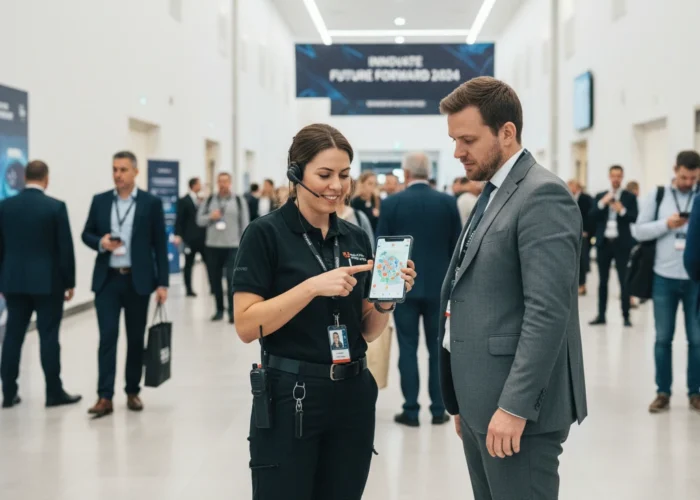
- Zone 2: On-Site Execution (The Conductor): During the event, the PA becomes the central nervous system of the operation. They are the runners, the talent wranglers, and the communications hub managing transitions via walkie-talkie.
- Zone 3: Audience & Attendee Experience (The Host): For the audience, the PA is a visible and crucial touchpoint. They are the ones ushering attendees, managing Q&A microphones, and acting as a friendly, problem-solving face.
- Zone 4: Crisis Aversion (The Firefighter): This is the most crucial zone where elite PAs truly shine. As detailed in our Logistics Masterclass: Advanced Project Management for Events, PAs are trained to handle everything from sudden AV glitches to unexpected attendee needs, proving the real ROI of filling production assistant jobs with seasoned pros.
The Premier Staff Perspective: The “PA Triad” Mindset
After decades in this business, I can tell you a secret: the true indicator of a great PA is an innate mindset, something a resume can rarely capture. The best candidates for production assistant jobs possess what we call the “PA Triad.” This is our internal framework for identifying the top 1% of event professionals.
The Triad Explained:
- Invisible Proactivity: They are constantly scanning the environment, anticipating needs and solving micro-problems before they can escalate.
- Unflappable Presence: When chaos erupts, they are the calmest person in the room, absorbing pressure so others can remain focused.
- Graceful Tenacity: They are relentlessly resourceful in completing tasks, navigating obstacles with a positive, can-do attitude.
This mindset can be difficult to screen for when evaluating candidates for production assistant jobs. To make it easier, we’ve developed a simple evaluation rubric.
The PA Mindset Evaluation Rubric
Trait (The PA Triad) | 1 – Reactive | 3 – Competent | 5 – Elite |
Invisible Proactivity | Waits for explicit instructions; needs constant direction. | Completes all assigned tasks efficiently and asks “what’s next?” | Anticipates the next move. Asks clarifying questions to understand intent. Solves problems before they are reported. |
Unflappable Presence | Shows visible stress or panic. Can become flustered by last-minute changes. | Handles pressure adequately. Follows emergency protocols. | Radiates calm in chaos. Thinks clearly under pressure, de-escalates tense situations, and instills confidence in the team. |
Graceful Tenacity | Gives up on a difficult request after one or two attempts. | Is persistent and will see a task through to completion as instructed. | Is relentlessly resourceful. Finds creative solutions to roadblocks and navigates complex requests with a positive attitude. |
The Hiring Headache: Why Resumes Don’t Reveal Reality
The biggest challenge in hiring for production assistant jobs is that a resume is often the least reliable tool for predicting success. A perfectly formatted document can’t tell you if a candidate possesses grace under pressure or the proactive problem-solving skills that are the hallmarks of an elite PA. This leads to two major pain points for event planners.
First is the soft skill gap. The most critical traits, communication, composure, and critical thinking, are nearly impossible to assess on paper. This turns the hiring process for production assistant jobs into a gamble. Second is the revolving door of high industry turnover, which means you’re constantly searching for new talent. Before you start down that path, it’s wise to review What to Consider When Hiring Corporate Event Staff.
Crafting the “PA Magnet”: A Job Description That Attracts Professionals
A compelling job description attracts top-tier talent by framing the role as a mission, transforming a simple list of duties into a meaningful opportunity. This approach creates a description that acts as a magnet for professionals and a filter for everyone else.
Here’s a simple “Before and After” transformation:
Before (The Generic Template):
Seeking a Production Assistant for an upcoming event. Duties include setup, teardown, and assisting the event manager as needed. Must be organized and have good communication skills.
After (The Magnetic Pitch):
Be the logistical backbone of a 5,000-attendee tech conference. We’re looking for a Production Assistant who thrives in a fast-paced environment and communicates flawlessly on a Clear-Com system. You’ll be the on-the-ground expert ensuring our speakers, sponsors, and attendees have a seamless experience. Note: This role requires the ability to be on your feet for 10+ hours and lift up to 40 lbs. If you’re a proactive problem-solver who loves being part of a high-stakes, successful event, we want to hear from you.
This actionable framework leads with the mission, uses insider language, and is brutally honest about the physical demands, ensuring only serious candidates apply to your production assistant jobs.
Sourcing Channels, Tier-Ranked by Quality
Where you look for talent is just as important as how you screen them. Here’s a breakdown of sourcing channels, ranked by efficiency and quality.
- Tier 1: Elite Staffing Agencies (The Gold Standard): This is the fast track for critical production assistant jobs. An agency provides access to a pre-vetted, insured, and trained talent pool. We handle the payroll, liability, and the screening headache, which is crucial for high-stakes corporate event staffing and conference staffing.
- Tier 2: Direct Referrals (The Inner Circle): Tapping into your professional network can yield high-quality candidates, but it offers limited scale and can be slow.
- Tier 3: Niche Job Boards & University Programs (The Gamble): While good for finding raw talent, this channel requires a significant investment in screening and training. Data from the U.S. Bureau of Labor Statistics shows a highly competitive market for production roles, meaning these platforms are often flooded with inexperienced applicants.
Subscribe To Our NewsLetter
We help you to elevate your events with our highly skilled professionals. You got these three simple steps to book our service
The "Pressure Test" Interview: Questions That Reveal True Character
Your interview should simulate the event environment, testing for the “PA Triad” in action. Standard questions like “What are your weaknesses?” won’t work. You need to apply pressure to see how they think.
Provide situational “Pressure Test” questions that have no single right answer but reveal a candidate’s thought process:
“The lead keynote speaker arrives 10 minutes before their slot and can’t find their specific brand of bottled water. Their handler is panicking. Your event manager is across the venue. Walk me through your exact next steps.”
“You’re given three urgent tasks at once via radio: bring new batteries to the main stage, escort a VIP to the green room, and fix a broken sign. Which do you do first, and why?”
This approach, focusing on situational judgment as recommended by experts at the Harvard Business Review, is key to finding the right fit for your production assistant jobs. Listen for answers that show prioritization, communication, and a focus on solutions, not problems.
The “First 48 Hours” Training Protocol for PAs
Once you’ve hired your team, their success depends on your onboarding. A chaotic first day leads to a chaotic event. Implement a structured training protocol to set them up for success.
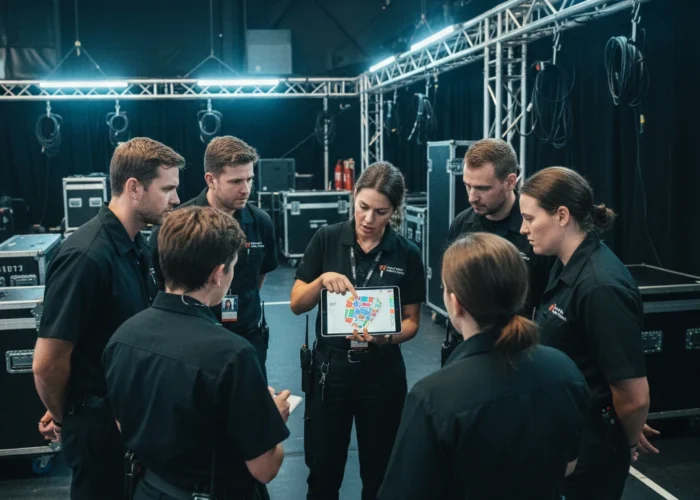
- The Briefing Bible: Go beyond a simple schedule. Provide a detailed packet with names and photos of key personnel, venue maps with “backstage” paths marked, a radio channel list, and a communication flowchart.
- The Chain of Command Drill: Conduct a 15-minute role-playing exercise. Give them scenarios (“You see smoke,” “A guest feels unwell”) and have them walk through the exact steps of who they would call and in what order.
- The Shadowing System: Pair new PAs with a veteran for the first hour of the event. This on-the-job training is invaluable for success in production assistant jobs, allowing them to learn the flow of your specific event in real-time.
2025 Strategic Considerations for PA Staffing
The core principles of finding great talent are timeless, but the landscape is always evolving. In 2025, event managers must navigate three key trends that have a direct impact on hiring for production assistant jobs.
1. Essential Tech Skills for the Modern Production Assistant
Today’s PAs operate far beyond a simple walkie-talkie. They are expected to be fluent in a range of digital tools. This includes project management apps like Asana or Trello for tracking tasks, communication platforms like Slack for instant updates, and event-specific software for registration or attendee engagement. When hiring, specifically ask about their experience with these tools. A tech-savvy PA who can troubleshoot a registration app on the fly is exponentially more valuable than one who can’t.
2. The Rise of the Gig Economy and Its Impact on Sourcing
The gig economy has created a vast pool of freelance event professionals. While this provides more options, it also introduces more complexity for direct hiring. Vetting independent freelancers for reliability, handling individual payments, and ensuring proper insurance coverage for each person becomes a significant administrative burden. This trend underscores the value of sourcing from a trusted partner who manages this fragmentation, providing access to a reliable pool of talent without the logistical headache.
3. Integrating DEI into Your PA Hiring Process
Diversity, Equity, and Inclusion (DEI) has rightfully moved from a talking point to a core business strategy. A production team that reflects the diversity of your audience is better equipped to anticipate needs and create a welcoming environment for all attendees. This means being intentional about where you source candidates to ensure you are reaching a diverse talent pool. Job descriptions should use inclusive language, and your hiring practices should focus on building a team with a wide range of backgrounds and perspectives.
Opting for an agency partner mitigates the significant hidden costs and logistical burdens of direct hiring. As detailed in an ultimate guide for planners by event authority Social Tables, viewing an agency as a strategic partner is key to a successful event. A dedicated agency helps you avoid the financial and logistical headaches of liability insurance, payroll taxes, screening time, and the massive brand cost of a hiring mistake.
Post-Event: Building Your A-List of Talent
The work isn’t over when the last truck is loaded out. The most valuable, time-saving step you can take is to evaluate your team’s performance immediately after the event. This is how you separate the good from the great and build a reliable team for the future.
To do this, use a simple PA Scorecard. This isn’t a complex HR document; it’s a quick tool to capture your impressions while they’re still fresh. Rate each PA on a scale of 1-5 across the key metrics that truly matter.
Sample PA Scorecard
Metric | Notes | Score (1-5) |
|---|---|---|
Invisible Proactivity | Did they anticipate needs or wait for instructions? | |
Unflappable Presence | How did they handle a stressful or unexpected situation? | |
Graceful Tenacity | Were they resourceful and positive when faced with a challenge? | |
Reliability & Punctuality | Were they on time, in the right place, and dependable? |
By taking ten minutes to fill this out for each team member, you move from one-off hires to building a trusted asset. Anyone who scores highly across the board goes onto your “A-List.” The next time you have an event, your first step isn’t a job posting; it’s a call to your proven, top-tier talent. This transforms your frantic search for production assistant jobs into a simple activation of your trusted team.
FAQs
What's the competitive pay range for high-quality production assistant jobs in major markets?
The range varies by city and event complexity. For a precise estimate tailored to your event, it’s best to consult an agency that specializes in Production Teams.
How do you define the roles in conference staffing vs. other event types?
Conference staffing requires a higher degree of professionalism and technical familiarity. Our dedicated Conference Staff are trained specifically for the unique demands of corporate environments and trade expos.
When does using a staffing agency for events become more cost-effective than direct hiring?
It becomes cost-effective when you factor in your time spent screening, payroll, insurance, and the high cost of a no-show. For large or high-stakes events, a professional Staffing Agency for Events almost always provides a better ROI.
What are the top three "red flag" answers during an interview for production assistant jobs?
Red flags include blaming past employers, showing a lack of enthusiasm, and being unable to give specific examples of problem-solving. A good PA is a proactive problem-solver, a key trait we look for in all our Catering Staff and event teams.
For a large conference, how far in advance should we engage an agency for our corporate event staffing needs?
For large-scale corporate event staffing, we recommend engaging an agency 4-6 weeks in advance. This allows time for training roles like Check-in Staff to ensure a seamless attendee experience from the moment they arrive.
What's the one non-negotiable soft skill every candidate for event production assistant roles must have?
Unflappable problem-solving. The ability to remain calm and find a solution under pressure is paramount. It’s the core skill we screen for, whether we are hiring Brand Ambassadors or production assistants.
Conclusion: Your Event is Only as Strong as Your Support Team
Hiring and training elite production assistants is an investment that pays dividends through a seamless, professional, and successful event. The hours you spend finding and preparing the right people will save you from unimaginable stress and potential disaster on show day.
Final Mentor Thought: View your on-the-ground team as the foundation of your entire event. Investing in the right people elevates a simple operational detail into the single best strategic decision you can make. Understanding the investment required for an elite team is a key part of this approach, and the ability to get an instant quote makes this process transparent and simple.
Are You Ready to Elevate Your Event?
Don’t wait—book Premier Staff now to secure top-tier professionals for your next event.
Recommended Posts



An event brand ambassador is the person who represents your brand to guests from setup to wrap-up. Before your event,...